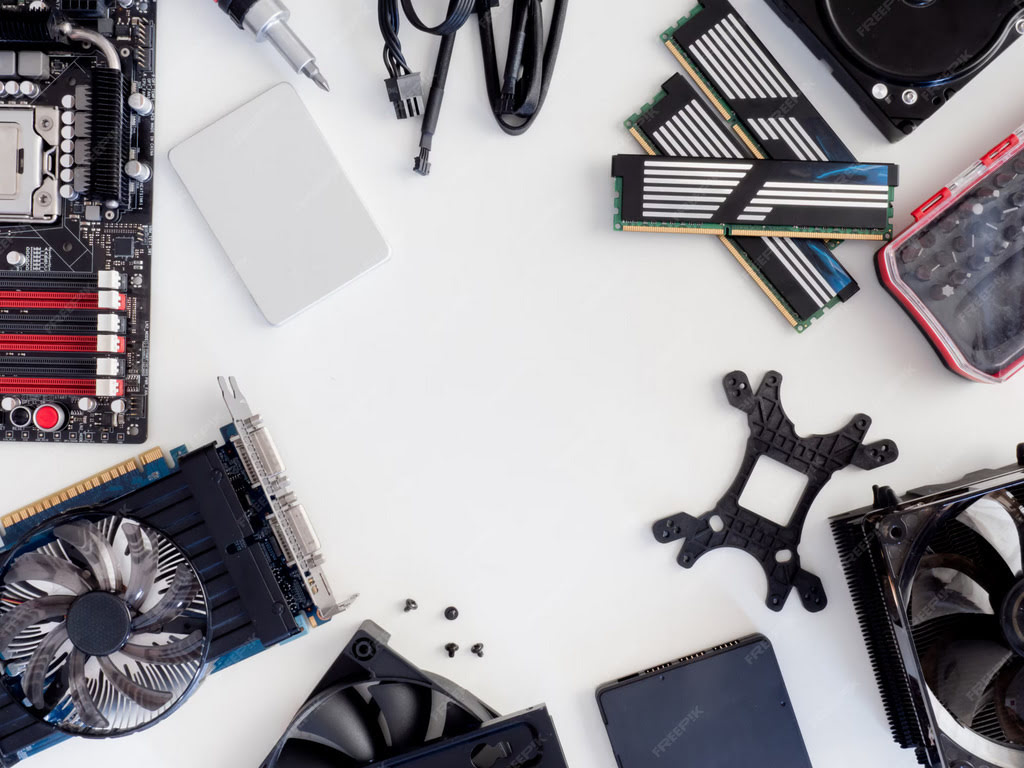
Your operating system choice dictates your workflow. Windows remains the most accessible option due to deep integration with Copilot, while Ubuntu offers greater technical flexibility for developers building from scratch. Regardless of the OS, the primary bottleneck for local AI is memory. Aim for a baseline of 32GB of RAM and 1TB of storage; the current market scarcity for these components is driven by data center demand, making them significant investments for any custom build.
Graphics processing power is the most critical factor in your machine’s performance. Nvidia GPUs are currently the industry standard due to widespread software compatibility. While 8GB of VRAM is the bare minimum for entry-level tasks, professional-grade models can easily saturate the 32GB of VRAM found in high-end cards like the RTX 5090. If your budget allows, the RTX 5070 serves as a solid starting point, though the 5080 and 5090 offer more headroom for complex workloads.
Finally, integrate a CPU equipped with a neural processing unit (NPU). Found in the Intel Core Ultra and AMD Ryzen AI series, these dedicated chips offload specific AI tasks from the main processor. Whether you are assembling a desktop or shopping for a laptop, prioritizing an NPU alongside a high-VRAM GPU ensures your system remains capable as AI models grow in complexity.



Comments (0)
No comments yet. Be the first!