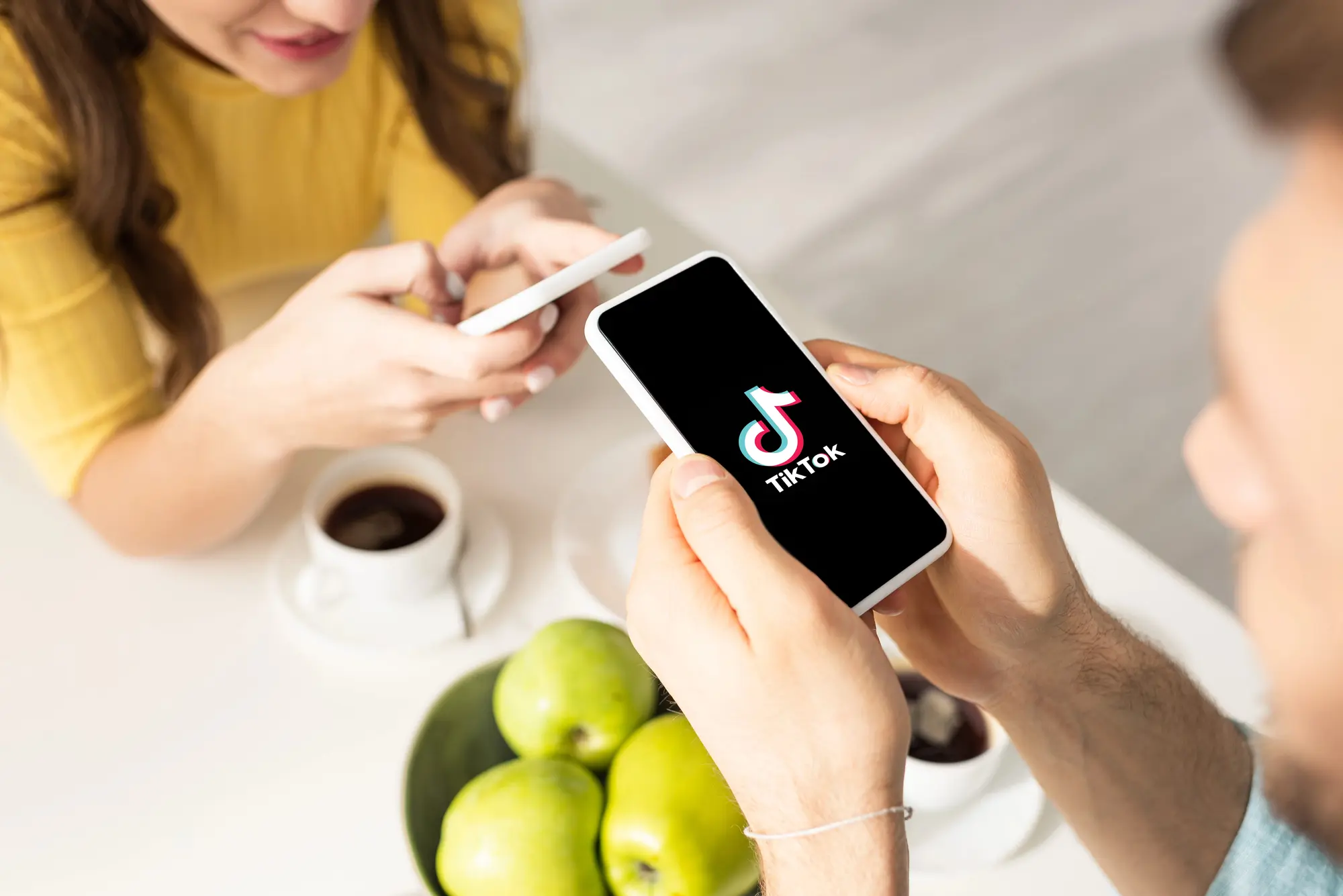
The feature, integrated into the TikTok GO experience, categorizes dining spots into Everyday Eats and Elevated Dining. Users can navigate these lists using filters for cuisine, price, and location, with OpenTable integration allowing for direct bookings. TikTok emphasizes that the curation process is organic; businesses cannot pay for inclusion, and the company verifies operational status before adding a location to the guide.
This move places TikTok in direct competition with established discovery tools like Yelp, Beli, and Google Maps. While competitors rely on static reviews or search volume, TikTok aims to capitalize on the immediacy of its video content. Data suggests the strategy is well-timed: 38 percent of Gen Z users already identify TikTok as their primary source for finding new restaurants. Industry figures remain significant, with an estimated 27 million Americans visiting an independent business for the first time in 2025 after seeing it on the platform, contributing to an estimated $4.7 billion in local spending.
For restaurant operators, the shift offers a double-edged sword. While chefs like Ann Redding of Thai Diner credit the platform for expanding their reach, others, such as Sam Yoo of Golden Diner, note that the sudden influx of viral traffic requires rapid operational adjustments. As the feature expands, it aims to transform the app from a place to watch others eat into a primary tool for finalizing dining plans.


Comments (0)
No comments yet. Be the first!