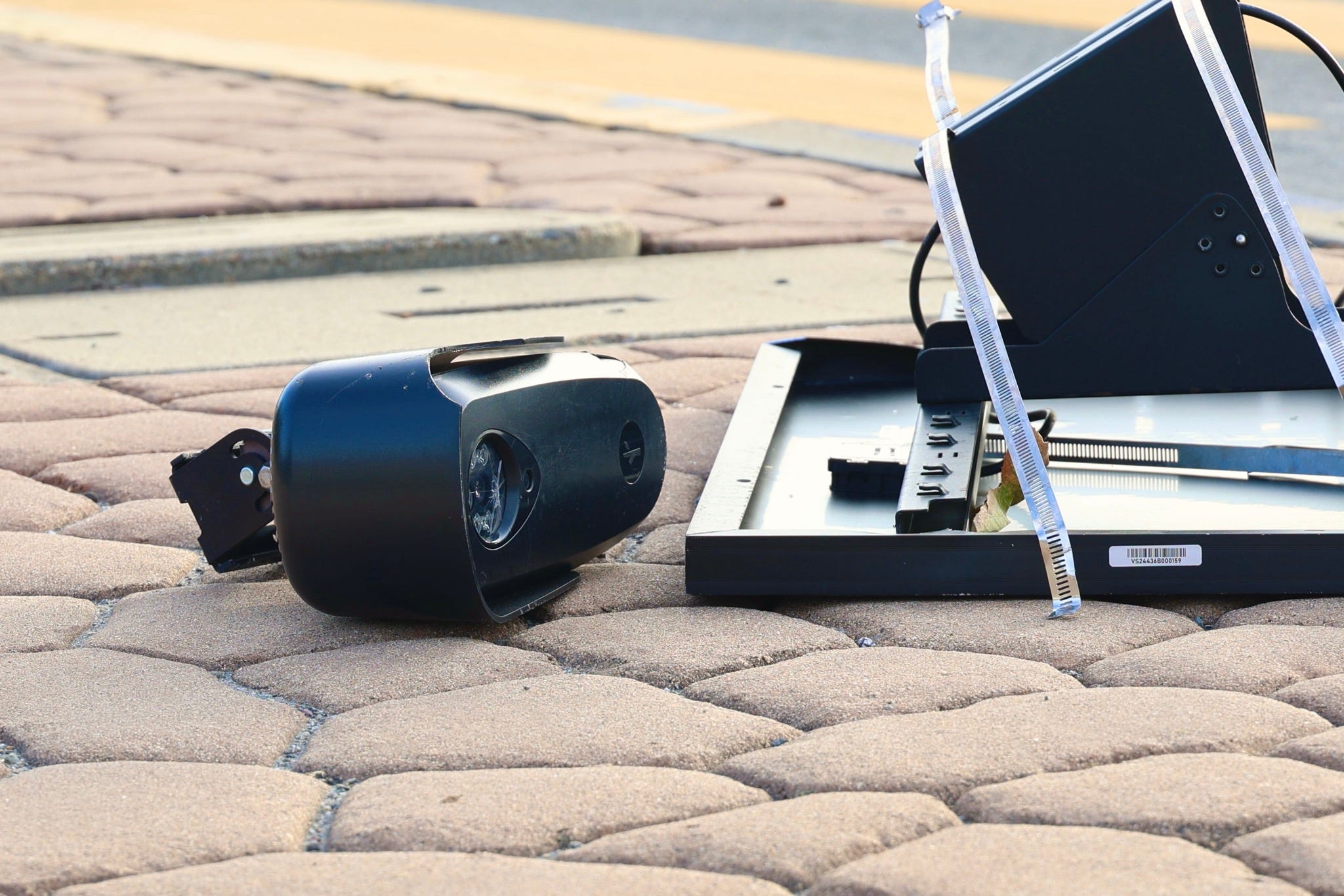
The breach directly contradicts Flock’s long-standing assertions regarding on-device encryption. Investigators discovered two unencrypted partitions within the hardware: one containing vendor files and another housing media, alongside an encryption key that rendered most recorded footage accessible. Hardware analysis revealed that the device functions essentially like a mid-range smartphone, running custom applications to log motion and transmit images to external servers. Crucially, the camera does not process license plates or vehicle identification locally; it transmits raw photos for server-side analysis.
Logs recovered from the device spanned three weeks, documenting over 50,000 vehicles and 1.6 million individual images. Most significantly, the software includes explicit detection features for human subjects, logging coordinates and confidence scores—a capability rarely discussed in public discourse. While a Flock spokesperson condemned the tampering as illegal and noted the absence of a formal vulnerability disclosure, the findings highlight the reach of the company's network. Captured data flows into a searchable repository accessible by thousands of agencies, including universities and police departments, fueling ongoing national backlash over privacy and the use of surveillance tools for tracking sensitive personal matters.



Comments (0)
No comments yet. Be the first!