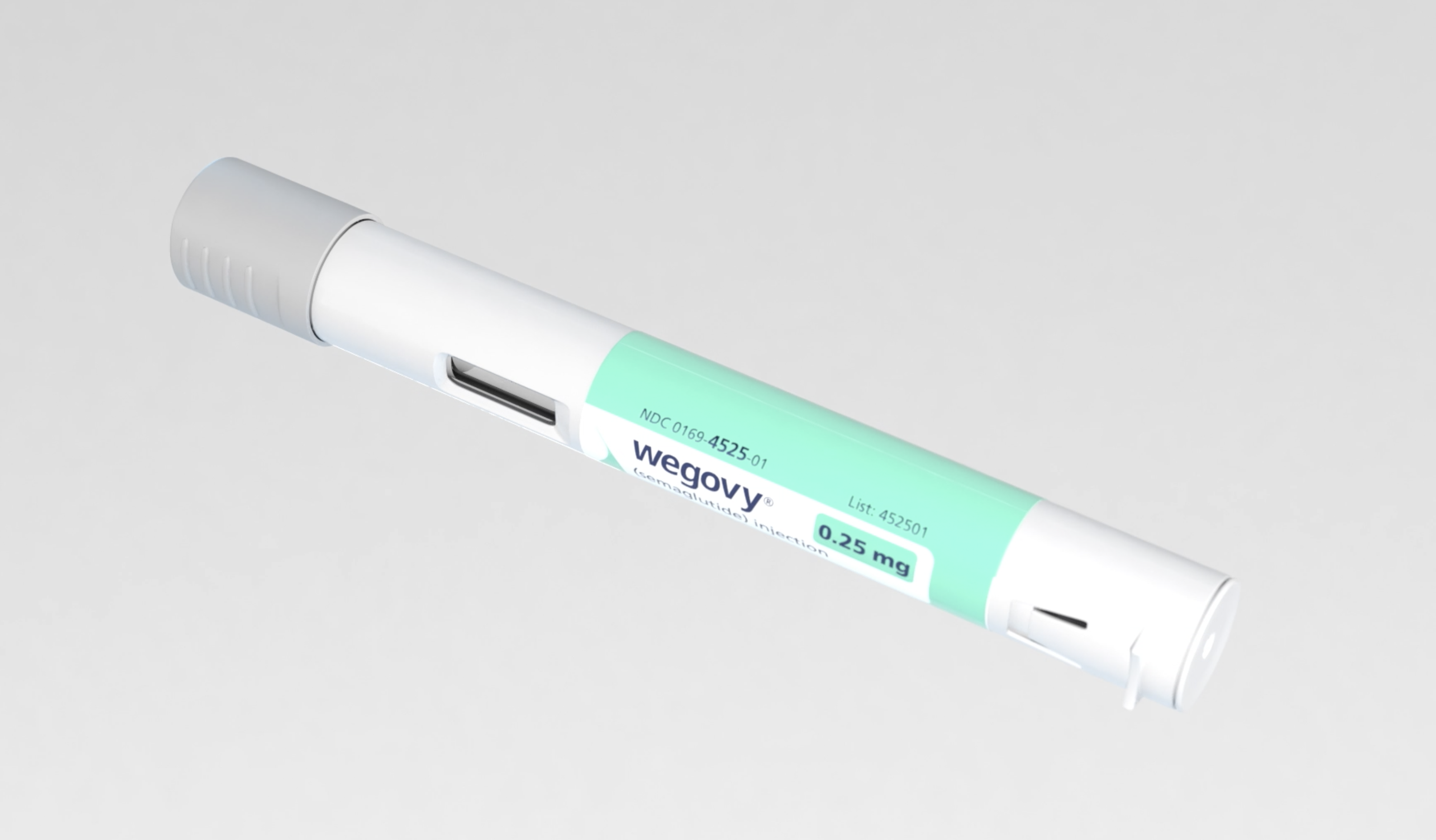
The dispute centers on nationwide advertisements that compare high doses of Lilly’s Mounjaro and Zepbound against lower, older doses of Novo’s products. According to Novo’s group general counsel John Kuckelman, these campaigns deliberately ignore the high-dose version of Wegovy, which reached the market in March and provides weight-loss results comparable to Lilly’s current portfolio. Novo contends that by omitting this evidence, Lilly leaves consumers with a distorted view of product efficacy.
This litigation follows a failed attempt to resolve the matter privately after Lilly ignored a formal cease-and-desist request sent in April. Novo is now seeking a permanent injunction to pull the advertisements, a mandate for corrective marketing, and unspecified financial damages. The company intends to pursue a preliminary injunction in the coming days to force an immediate halt to the campaigns while the broader case proceeds through the courts. Eli Lilly has yet to issue a formal response to the filing.
The lawsuit highlights the intensifying competition in the lucrative GLP-1 market, where both firms are vying for dominance among providers and patients. While Lilly has seen its medications become the preferred choice for many due to high efficacy data, Novo’s latest move signals a tactical push to reclaim market share. With the high-dose Wegovy showing an average weight loss of approximately 19%, Novo is looking to level the playing field against Zepbound and Mounjaro through both legal channels and a broader strategy involving new oral medications and pricing adjustments.




Comments (0)
No comments yet. Be the first!