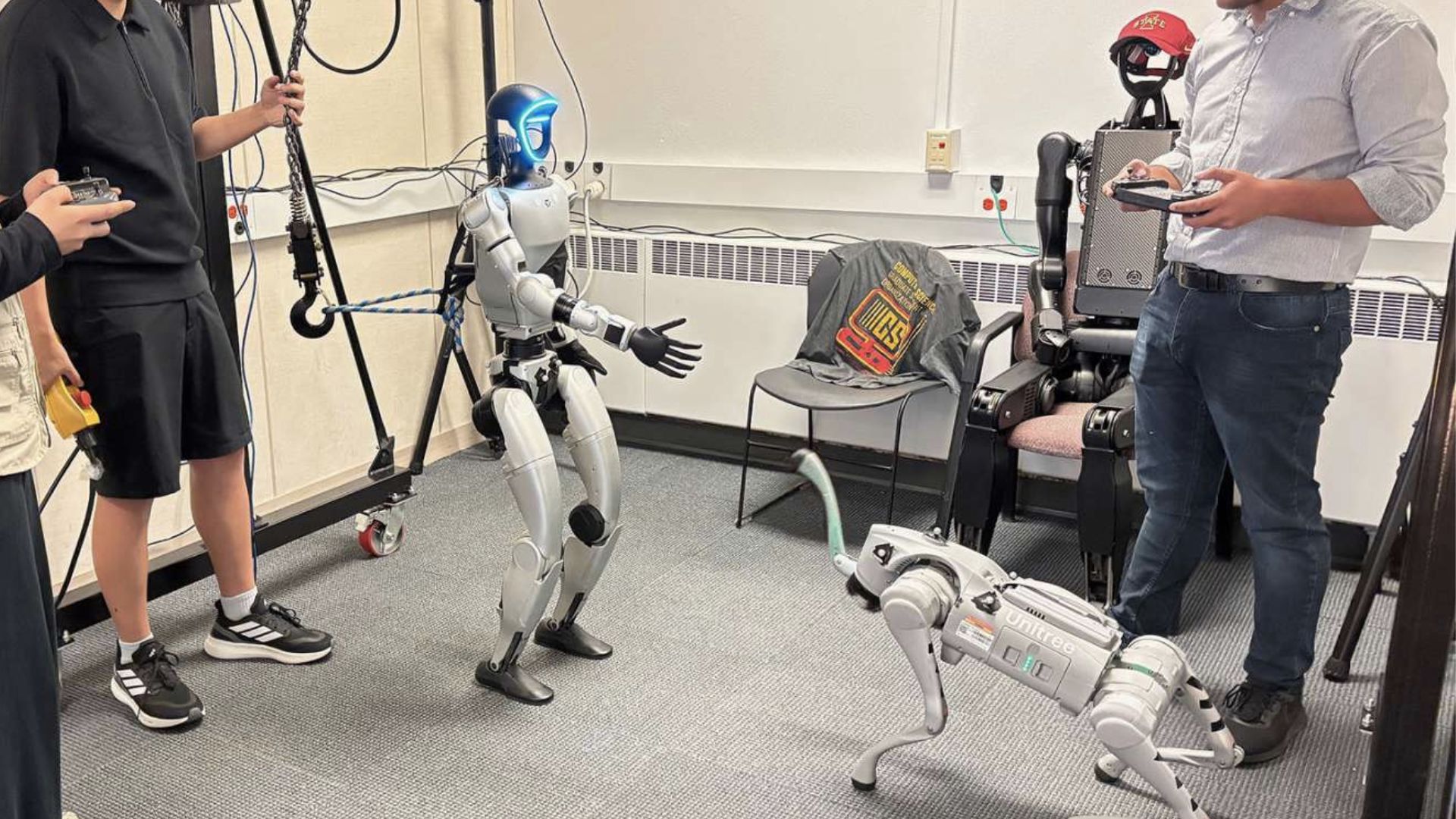
The current rush is driven by a convergence of plummeting component costs, labor shortages, and the emergence of AI models capable of navigating real-world complexity. Investors are increasingly moving beyond pure software plays, backing startups that integrate sensors, actuators, and advanced intelligence to automate tasks in warehouses, hospitals, and battlefields. While some industry veterans warn of a crowded market filled with 'hardware tourists' underestimating the difficulty of reliable deployment, others see a fundamental shift in the global economy.
Key figures like Matt Ocko of DCVC and Ajay Agarwal of Bain Capital Ventures emphasize that the sector requires a deep-tech approach, prioritizing tangible, scalable results over hype. The landscape is diverse: some firms, such as Bessemer Venture Partners, are betting heavily on defense robotics, while others like Lightspeed’s Raviraj Jain focus on general-purpose 'brains' for machines. Despite the enthusiasm, skeptics remain vocal about the limitations of certain trends, such as humanoids, which some argue are less efficient than specialized robotic forms like wheels or wings. As the field matures, the focus is shifting from simple automation to embodied AI, with firms like Eclipse and Founders Fund leading the charge in integrating software-driven intelligence into critical infrastructure and manufacturing.




Comments (0)
No comments yet. Be the first!