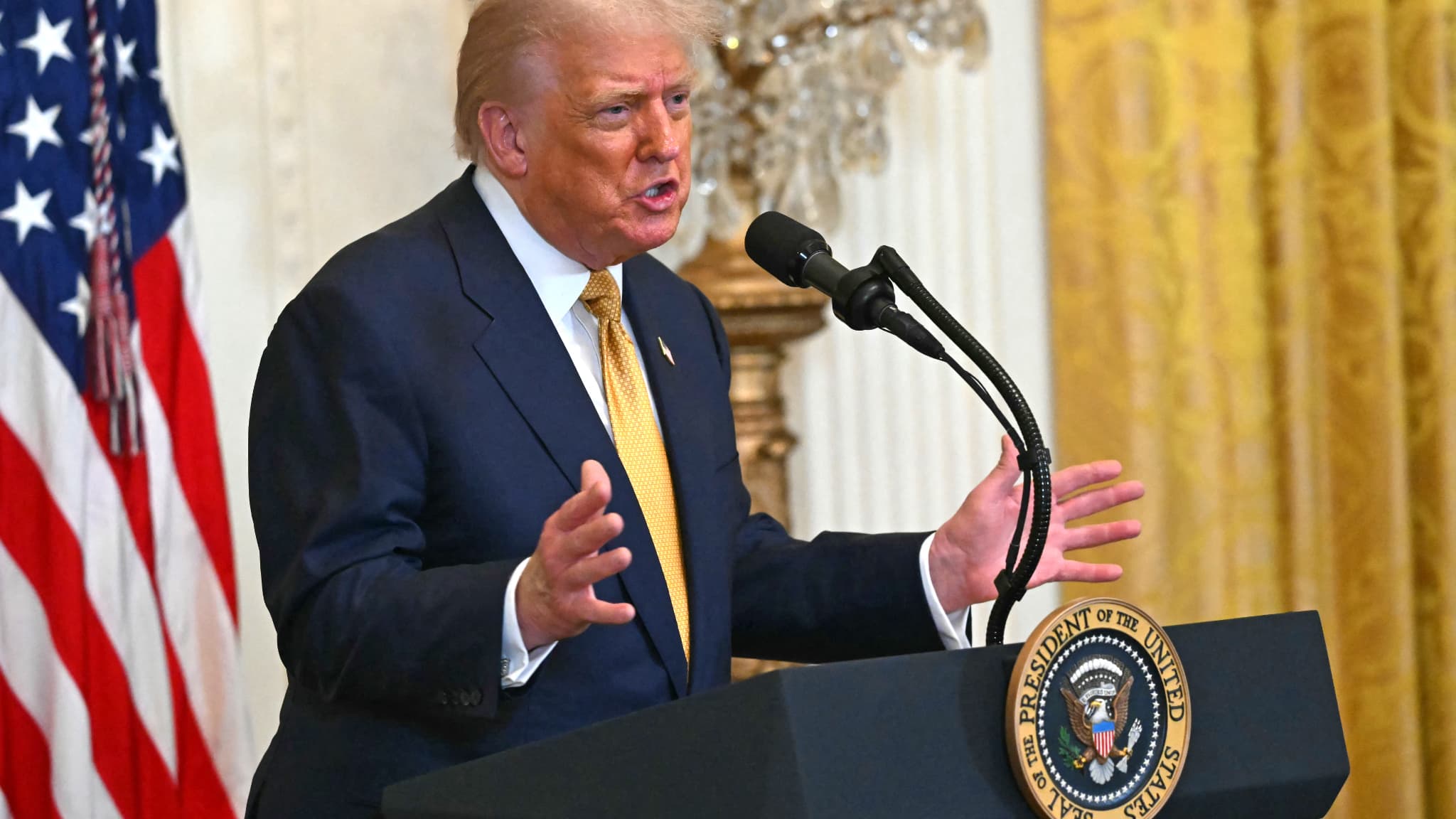
Trump told reporters on Nov. 16 that he had been at the White House meeting with Duffy and others involved in the response while flights were grounded. Asked whether White House construction projects had distracted him, he defended the ballroom under construction and a new helicopter landing pad, citing repairs to the building. “The helipad has gotten great reviews,” he said.
“I don’t take any responsibility,” Trump said, arguing that the government could replace outdated equipment while keeping the current system operating if Congress provided funding. He described the equipment involved as “very, very old” and said it “had a heart attack.” At the end of the interview, he said everyone had been safe, with no injuries or crashes, and argued that the system should have been upgraded decades ago.
Duffy said over the weekend that an FAA contractor, L3Harris, was replacing an aging copper line with fiber at a remote site when a router began sending more than 1,000 connection attempts every four to five seconds. The surge disrupted communications with aircraft and some radar feeds, Duffy said. The FAA paused departures nationwide; more than 3,000 flights already in the air landed safely.
Appearing Sunday on NBC’s Meet the Press, Duffy said investigators were examining whether the contractor made an installation error or the router was faulty. Asked about apologizing to travelers, he cited decades of underinvestment under both parties, saying, “It happened on my watch,” but that he “can’t apologize for what was passed off to us.”
Congress approved $12.5 billion for air traffic control upgrades in 2025. Duffy said the money is earmarked for equipment including radar and radios. On Thursday, he and White House budget director Russell Vought asked Congress for an additional $30.1 billion, part of which would fund replacement of the communications network overwhelmed during Friday’s incident.



Comments (0)
No comments yet. Be the first!