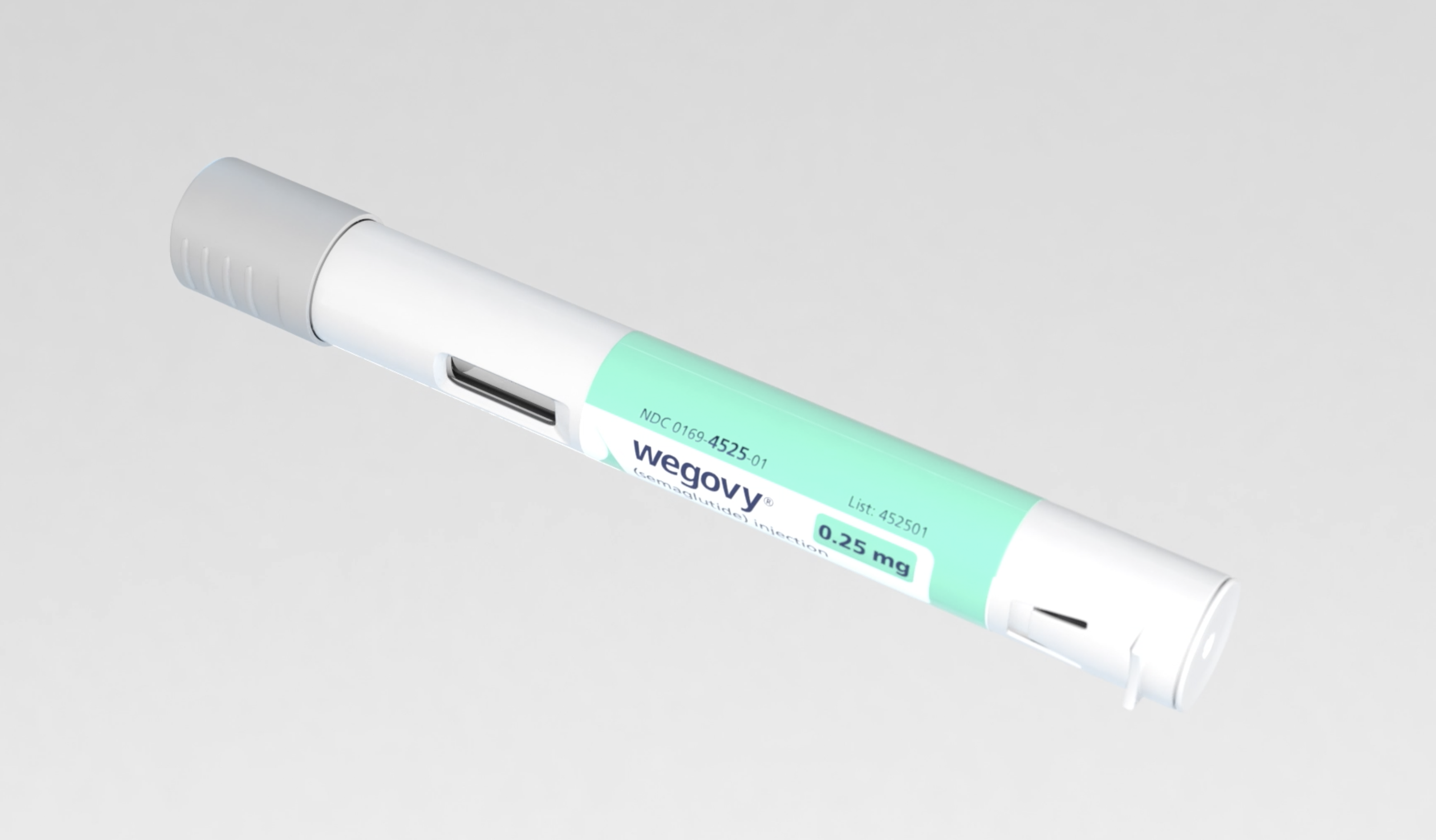
Among children who remained on treatment, BMI fell by 17.4% on average with Wegovy and rose by 2.2% with placebo, a difference of 19.7 percentage points, Novo said. In an analysis that also included children who stopped treatment, the estimated average reduction with Wegovy was 16.2 percentage points greater than with placebo at 68 weeks.
All 167 children in the trial received lifestyle support, including a reduced-calorie diet and increased physical activity. At the start, 85% had moderate to severe obesity, and nearly half had at least one related complication, such as high blood pressure, high cholesterol or sleep apnea. More than 40% of those treated with Wegovy no longer met the classification for obesity after 68 weeks, assuming they stayed on treatment. Novo first reported that finding in September.
Wegovy is approved for obesity in children ages 12 and older, but no medications are currently approved for those under 12. Novo said the drug’s safety and tolerability in the trial were consistent with findings in adults and that it observed no safety concerns related to growth or pubertal development.
Dr. Andrea Traina, Novo’s medical director lead of obesity, described the disease burden among young children as “very significant.” She said the two-year study does not show whether earlier treatment can alter obesity’s long-term course or clarify what treatment and maintenance would involve as children reach adulthood. “That is something that is still an evidence gap,” she said.
The World Obesity Federation estimates that roughly 177 million children and teens ages 5 to 19 had obesity in 2025; it projects the number will reach 228 million by 2040. Childhood obesity can have cardiovascular, metabolic and psychosocial consequences, and may continue into adulthood, where health complications can emerge earlier and be more severe.



Comments (0)
No comments yet. Be the first!