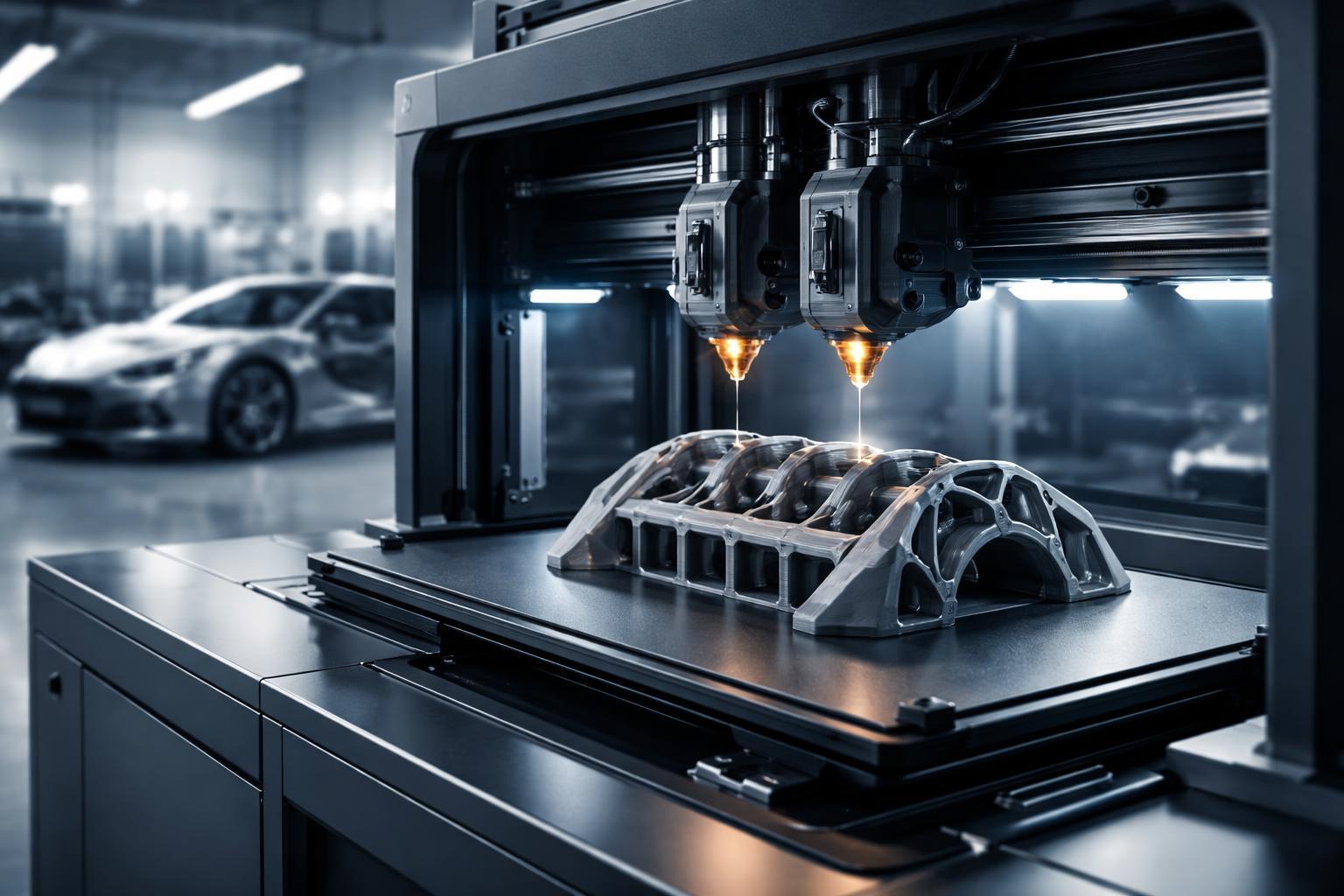
The technology, once relegated to specialized research labs, now permeates every stage of vehicle development. For Rivian, the move is a structural necessity rather than an experimental pivot. Jared Beck, the company's head of additive manufacturing, confirms that the automaker is actively scaling these operations to ensure that 3D-printing capabilities reach every faction of the business. This strategy allows engineers to manufacture complex assembly tools and testing units with unprecedented speed compared to traditional casting or machining methods.
As the hardware becomes more accessible and commoditized, the reliance on external suppliers for small-batch parts is diminishing. By bringing these printing capabilities in-house, companies gain greater control over their supply chains, reducing the lead times that typically plague automotive research and development cycles. This shift signals a broader industry trend where the agility of the production line is becoming as critical as the performance of the vehicles themselves.




Comments (0)
No comments yet. Be the first!