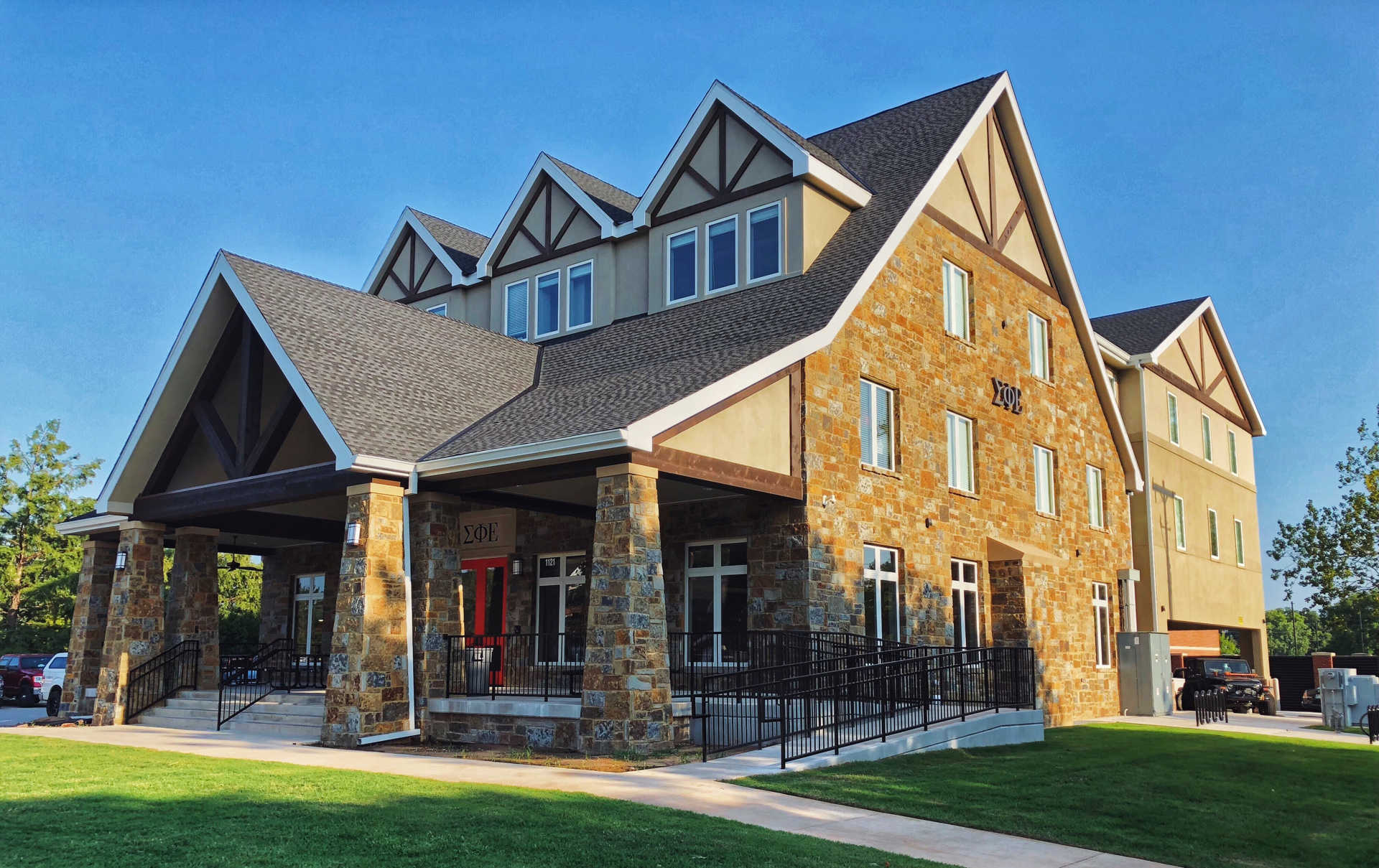
National organizations often serve as the financial backbone of Greek life. For instance, Sigma Phi Epsilon reported $10.6 million in revenue for fiscal 2025, closing the year with $29.4 million in net assets. These organizations rely on a mix of member dues, alumni contributions, and program service fees. At the local level, costs fluctuate significantly; students at the University of Arizona pay an average of $5,535 per semester for dues and housing, with individual chapters maintaining autonomy over how those funds are allocated.
Real estate remains one of the most substantial assets in the sector. Grand properties often serve as the primary draw for members, with some mansions valued in the millions. However, maintaining this infrastructure is costly. Major expenses include liability insurance, executive compensation, and the upkeep of social programming. Delta Upsilon, for example, notes that nearly 40% of its revenue is consumed by loss-prevention fees alone. Because national filings represent only a fraction of the total picture, the full scope of fraternity wealth remains fragmented across separate educational foundations and independent housing entities.




Comments (0)
No comments yet. Be the first!