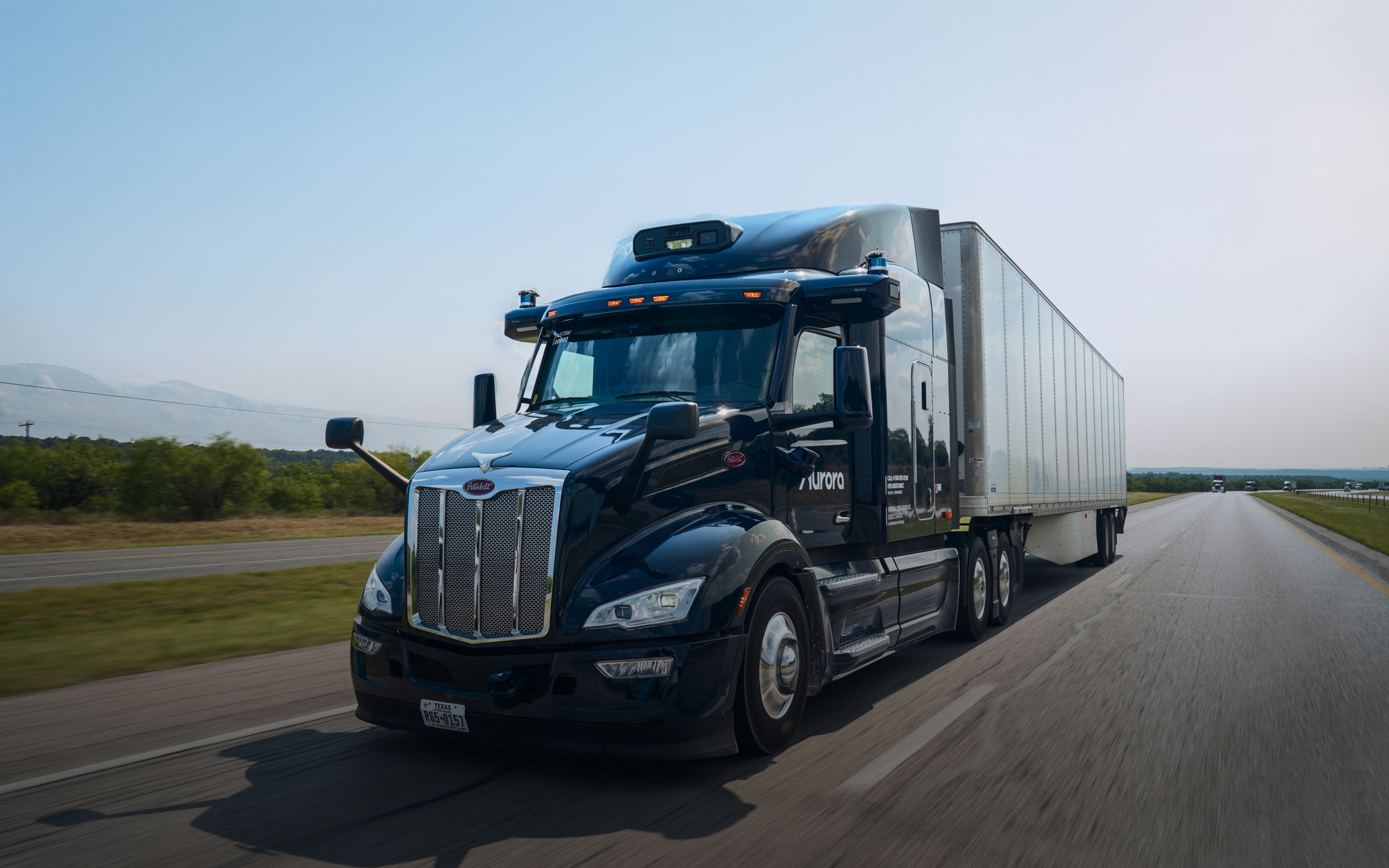
Aurora’s business model relies on a "driver as a service" strategy, charging clients by the mile. Proponents argue this approach could yield significant savings; Morgan Stanley analyst Ravi Shanker projects autonomous fleets could be nearly 7.5 times more profitable than human-driven ones. Bank of America estimates suggest operating costs could drop to roughly $0.85 per mile, compared to $1.30 for human-staffed trucks, which are currently restricted by federal regulations on daily driving hours.
Despite the push for automation, industry skeptics remain. Sean Wu, CEO of freight firm uShip, points out that human drivers provide essential services beyond simple transportation, including cargo protection and on-site judgment. CEO Chris Urmson maintains that safety remains the priority, citing over 15 million tests and 440,000 miles of public road experience since 2022. While competitors like Tesla and Kodiak AI also race to capture market share, Aurora is focused on scaling its operations to reverse its financial trajectory, aiming for positive free cash flow by 2028 after reporting losses exceeding $800 million in 2025.


Comments (0)
No comments yet. Be the first!