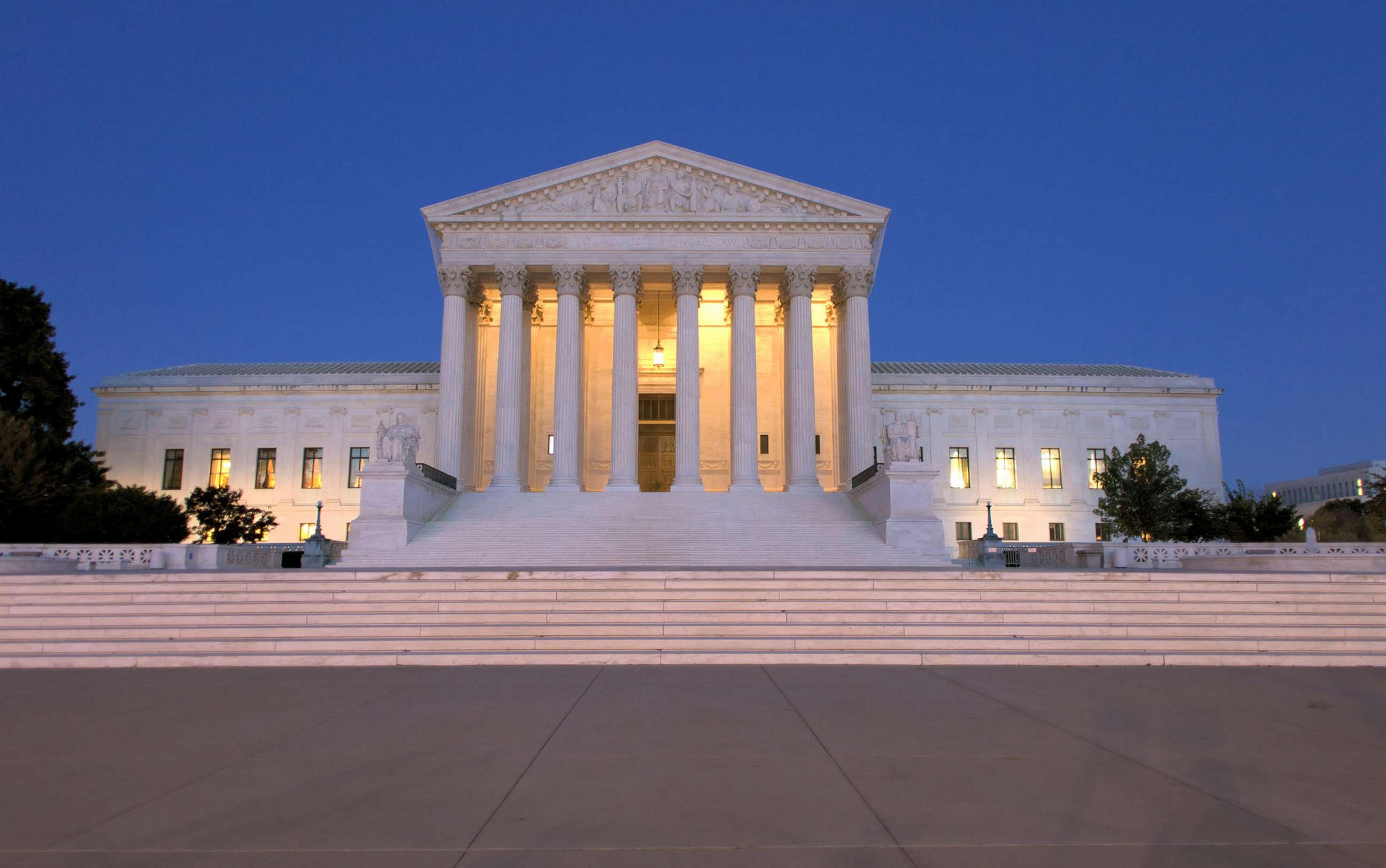
The legal conflict centers on whether platforms offering wagers on elections or sports events operate as financial derivatives or illicit casinos. While the Commodity Futures Trading Commission currently oversees these platforms as federal entities, state regulators in New Jersey and Nevada contend that this status allows them to circumvent local police powers. The friction intensified after conflicting rulings from the Third and Ninth Circuits left the industry in a state of regulatory uncertainty.
In April, the Third Circuit permitted Kalshi to continue offering event contracts, effectively shielding the platform from New Jersey’s gaming oversight. Conversely, the Ninth Circuit sided with the Nevada Gaming Control Board, validating a cease-and-desist order against the platform. This split in federal appellate authority provides a strong incentive for state attorneys general to petition the Supreme Court for a definitive ruling. Meanwhile, the platforms face intense scrutiny from 44 states, which argue that these markets facilitate manipulation rather than legitimate financial hedging. The outcome could force a major shift in how the U.S. treats digital betting, especially as high-profile political figures, including Donald Trump Jr., maintain financial ties to the industry.



Comments (0)
No comments yet. Be the first!