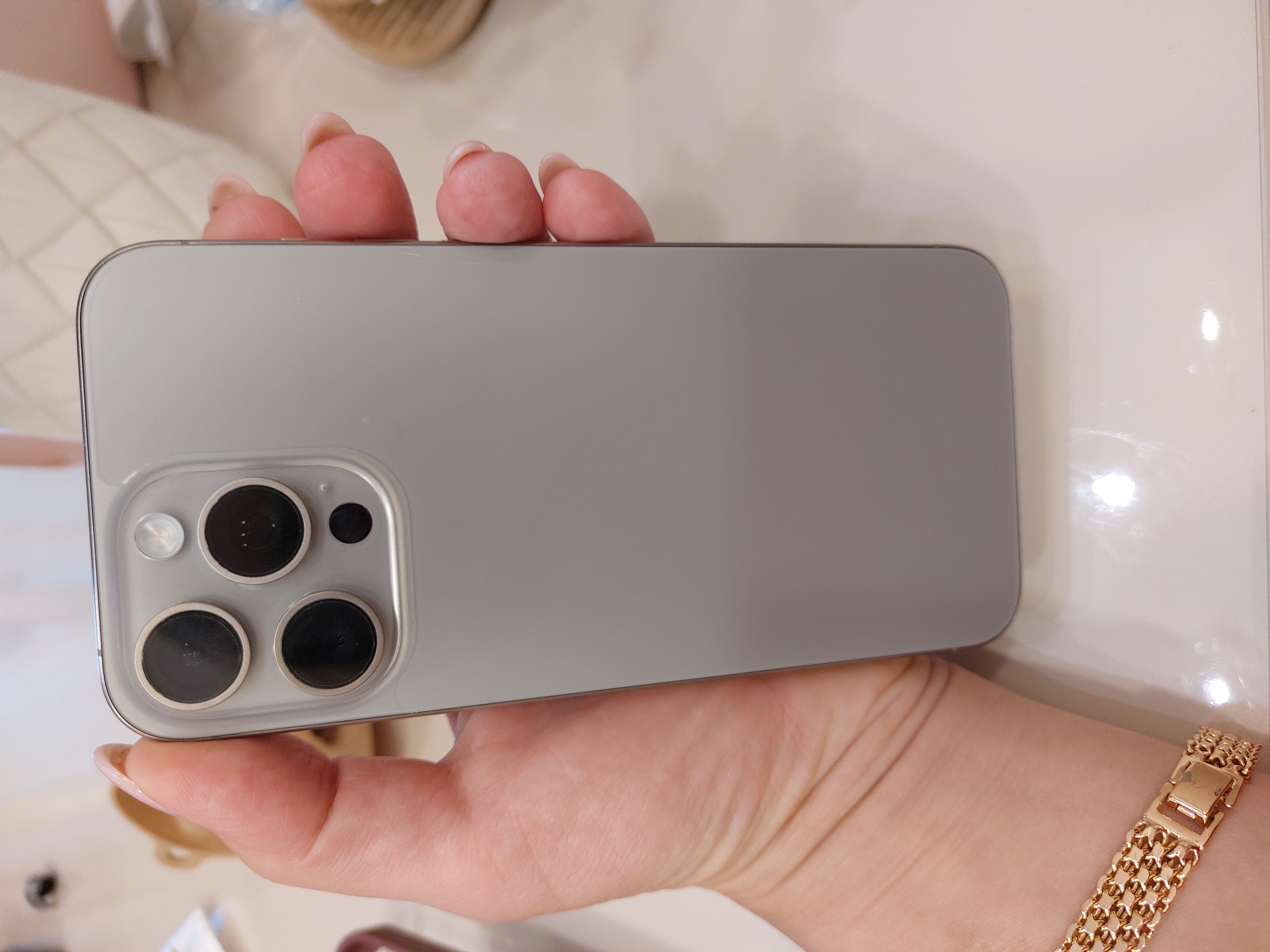
The danger mirrors the risks associated with viewing the sun through unprotected binoculars or telescopes. According to reports from BGR, smartphone cameras are not engineered to withstand the concentrated heat generated by direct solar exposure. Rather than capturing the event, an unprotected lens may suffer irreversible thermal damage, turning a high-end device into an expensive piece of broken glass.
While specialized clip-on filters are available for mobile devices, the most reliable way to experience the event remains viewing it with the naked eye—provided you are wearing certified ISO 12312-2 grade solar eclipse glasses. NASA continues to stress that eye safety is the primary concern for any celestial observation. For those determined to document the 2026 eclipse, the recommendation is to invest in professional-grade filtration equipment or simply put the technology away and witness the phenomenon directly.



Comments (0)
No comments yet. Be the first!