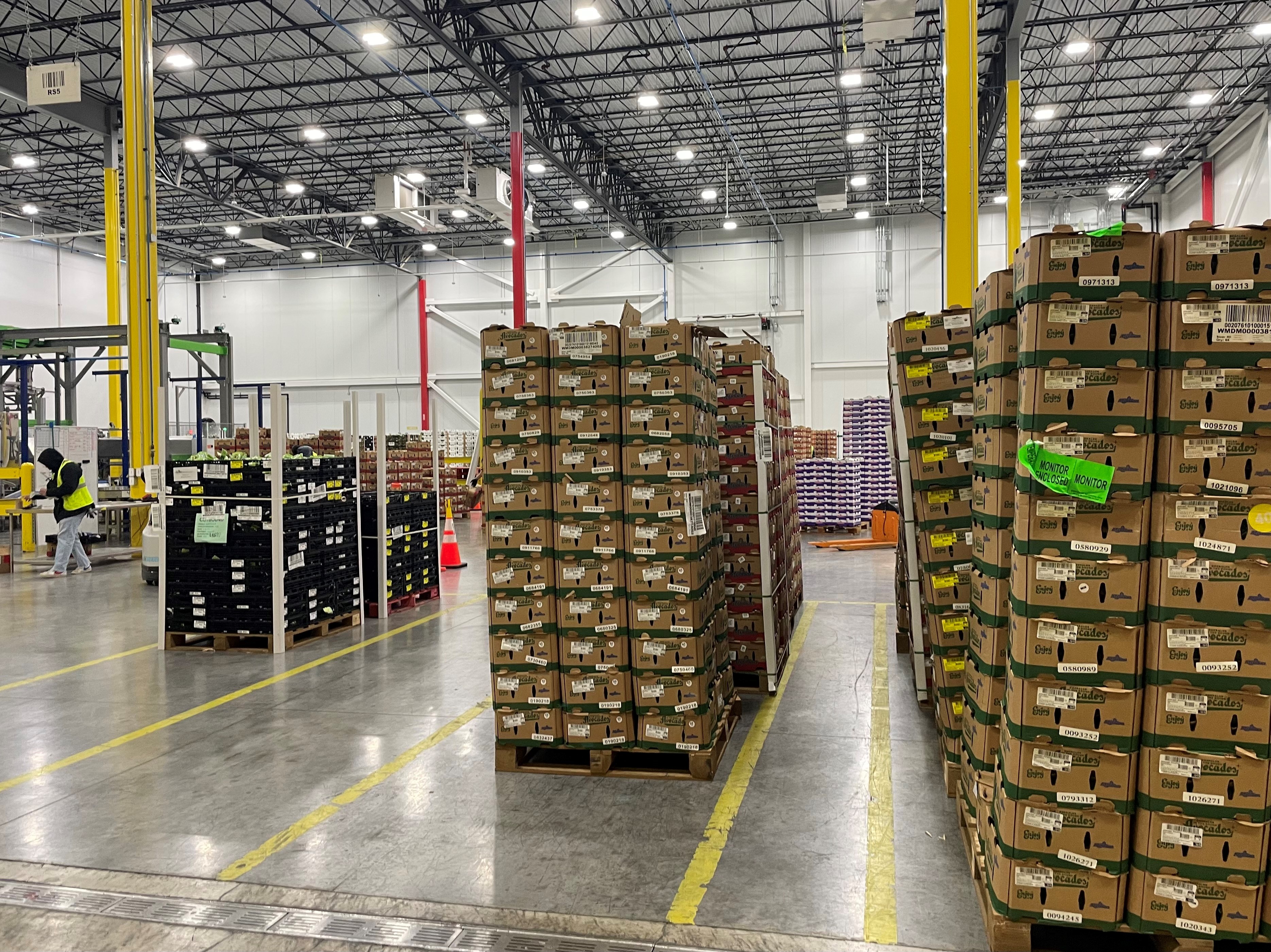
The current FDA investigation into cyclosporiasis centers on shredded iceberg lettuce sourced from Taylor Farms. By moving through large-scale foodservice channels, the product reached Taco Bell restaurants and various other outlets across multiple states. This trajectory illustrates a shift where industry consolidation turns isolated incidents into widespread public health concerns.
Dr. David Relman, a professor of microbiology and immunology at Stanford University, notes that pooling produce from numerous sources into single batches creates a mechanism for rapid contamination spread. When one head of lettuce is compromised, it is manageable. When that head is processed alongside thousands of others into a centralized distribution stream, the reach of the parasite expands exponentially. Marion Nestle, professor emerita at New York University, echoes this assessment, stating that the shrinking number of industry players ensures that when safety failures occur, they occur on a massive scale.



Comments (0)
No comments yet. Be the first!