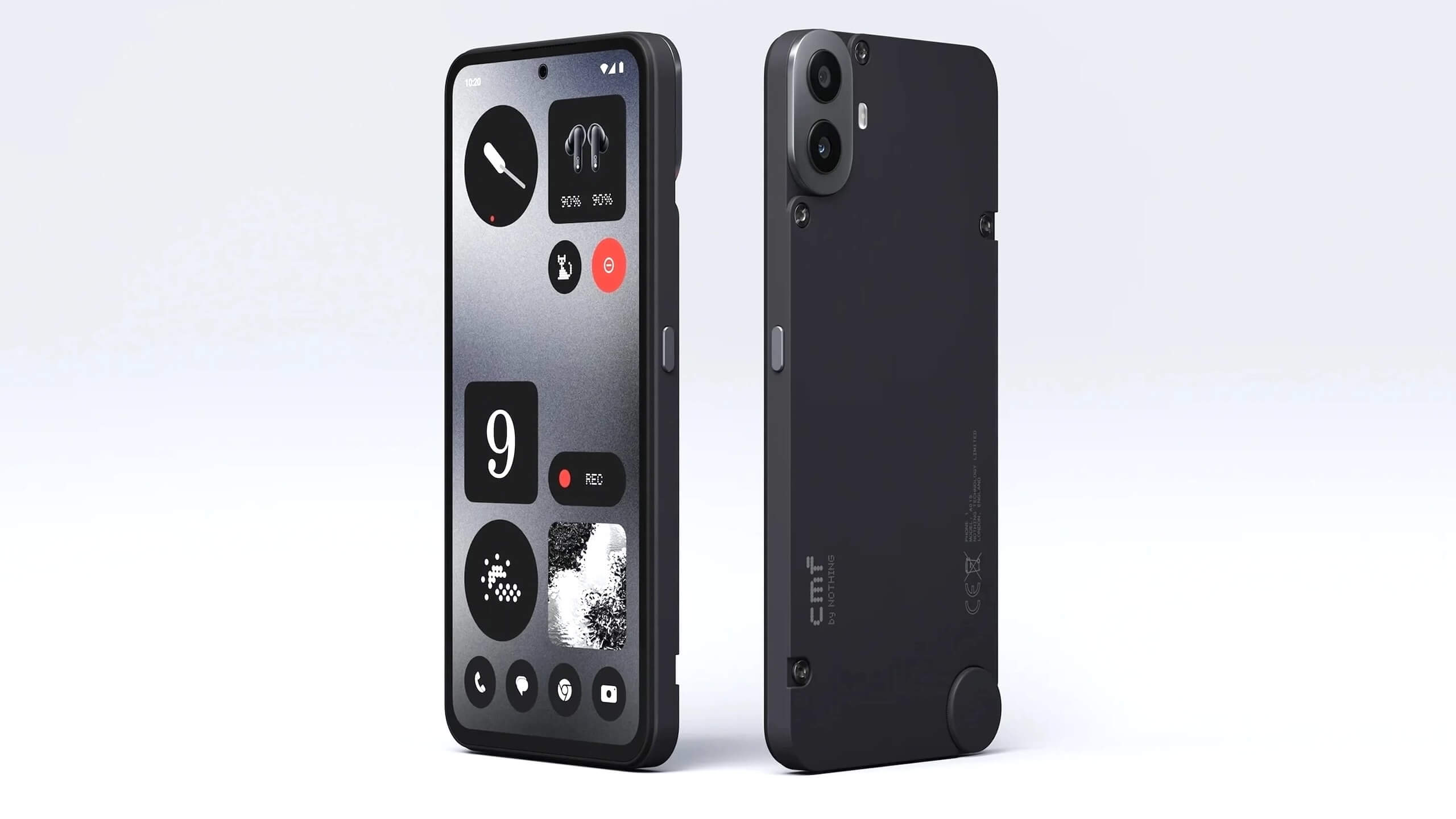
Evangelidis pointed directly to the current hardware market, where memory costs have surged dramatically over the past 18 months. Data indicates that basic DDR4 configurations have tripled in price since early 2025, while high-speed DDR5 modules have seen costs balloon to nearly five times their previous levels. This volatility has forced manufacturers to reconsider their product roadmaps, as maintaining the $279 price point that defined the original CMF model is no longer feasible.
The broader tech industry is currently caught in a massive supply-chain squeeze driven by the AI boom. Trillion-dollar corporations, including Microsoft, Amazon, and Alphabet, are funneling hundreds of billions into infrastructure, effectively cornering the market on finite chip and memory production. As these industry giants outbid smaller players for raw materials, the ripple effect is hitting consumer electronics hard. Beyond smartphones, tablets and personal computers are facing similar upward pressure on retail prices. With limited production capacity expected to persist, analysts suggest that holding onto existing hardware for longer may be the only viable strategy for consumers looking to avoid the mounting costs of new compute-heavy devices.




Comments (0)
No comments yet. Be the first!