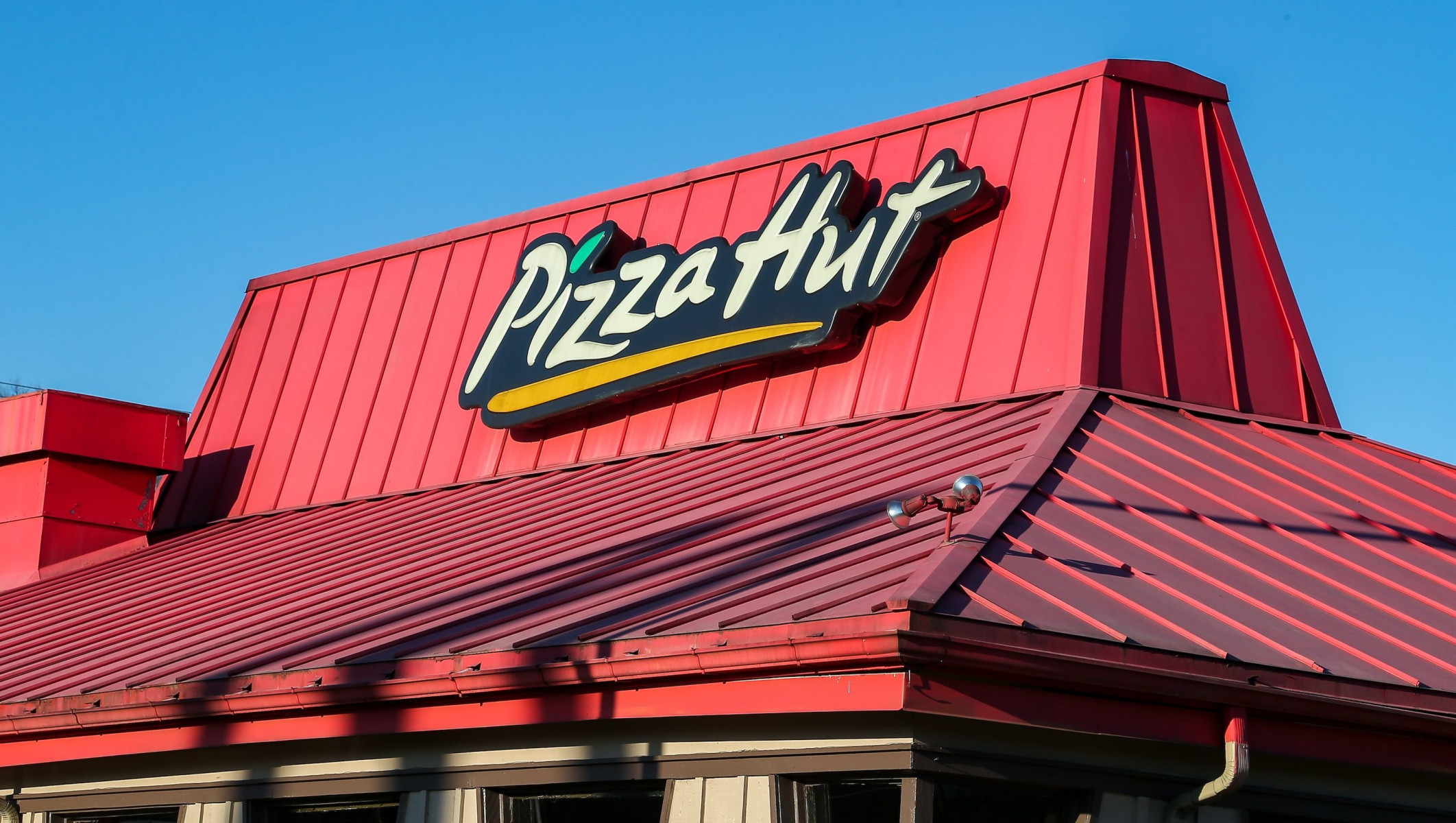
The dual transactions mark a definitive departure for the brand, which has lagged behind rivals like Domino’s for years. While Domino’s aggressively pivoted toward digital delivery and third-party logistics, Pizza Hut struggled to shed its legacy identity as a sit-down restaurant chain. Yum executives framed the sale as a necessary step to maximize shareholder value, allowing the brand to operate under a structure better suited to its current competitive landscape.
Founded in 1958 by Dan and Frank Carney in Wichita, Kansas, Pizza Hut rose to become a global titan before ceding its industry dominance in 2017. The brand’s history is deeply intertwined with corporate giants; PepsiCo acquired the chain in 1977, eventually grouping it with KFC and Taco Bell under the Tricon banner, which later became Yum. By severing these ties, the brand now faces an uncertain future outside the Yum ecosystem. Yum expects to net roughly $2.3 billion from the sales, factoring in taxes and closing adjustments, while absorbing $85 million in one-time expenses through 2026.




Comments (0)
No comments yet. Be the first!