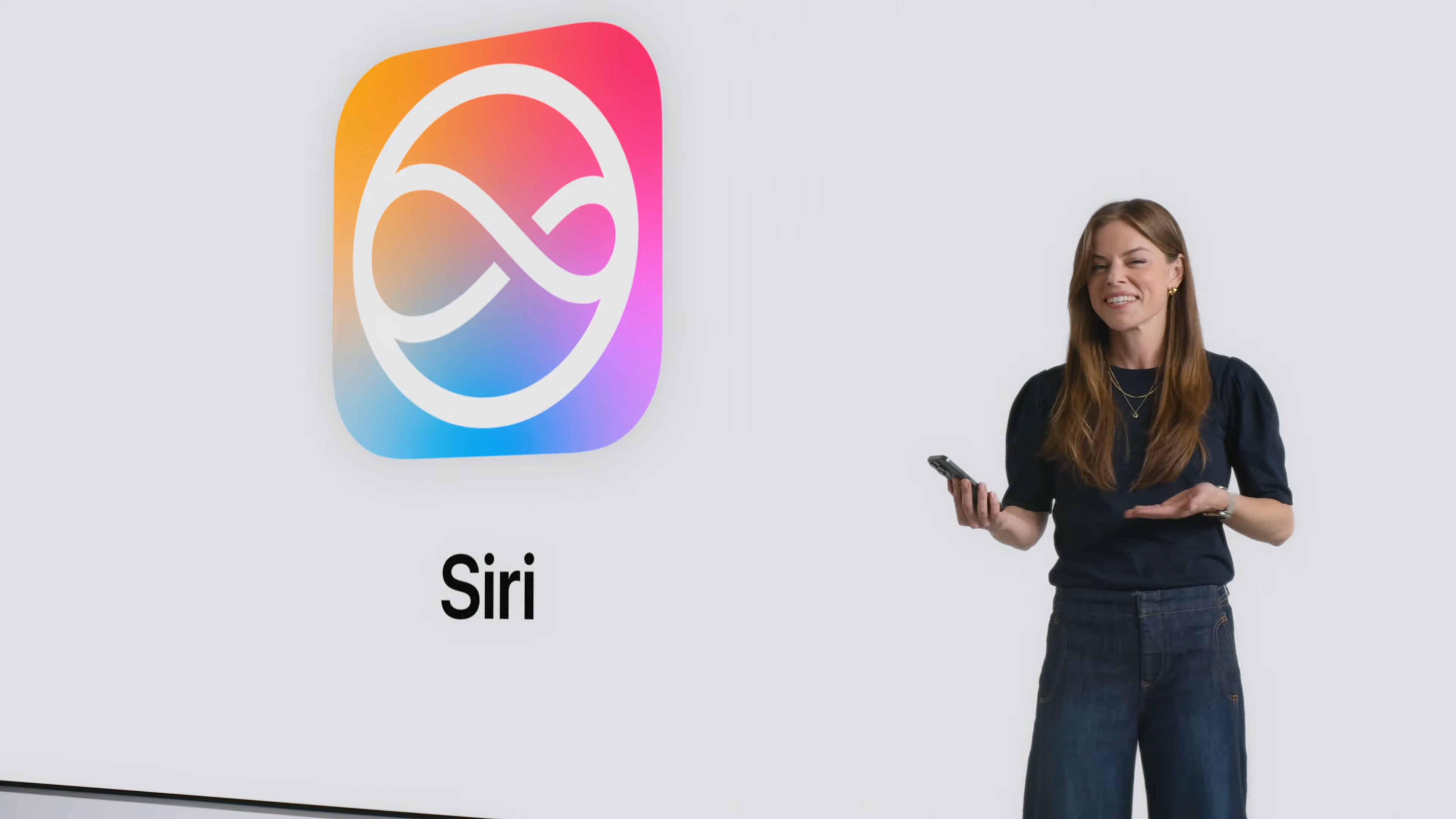
The stalemate centers on the Digital Markets Act (DMA), which mandates that third-party virtual assistants receive equal access to private user data and system controls. Apple contends that these regulations force a compromise of device security, arguing that granting external software such deep-level access poses privacy risks. In a recent blog post, the company detailed its failed attempts to bridge this gap, including a proposed intermediary technology called the Trusted System Agent.
This proposed solution aimed to allow third-party assistants to mirror the capabilities of the new Siri AI through a controlled, 18-month phased rollout. However, the European Commission rejected these overtures. Consequently, Apple’s SVP of engineering, Craig Federighi, confirmed that while the beta is currently reaching developers for a global release alongside iOS 27 and iPadOS 27, the EU remains excluded. With no resolution in sight and no concrete timeline for compliance, millions of European users are left without access to the company's most anticipated software overhaul.




Comments (0)
No comments yet. Be the first!