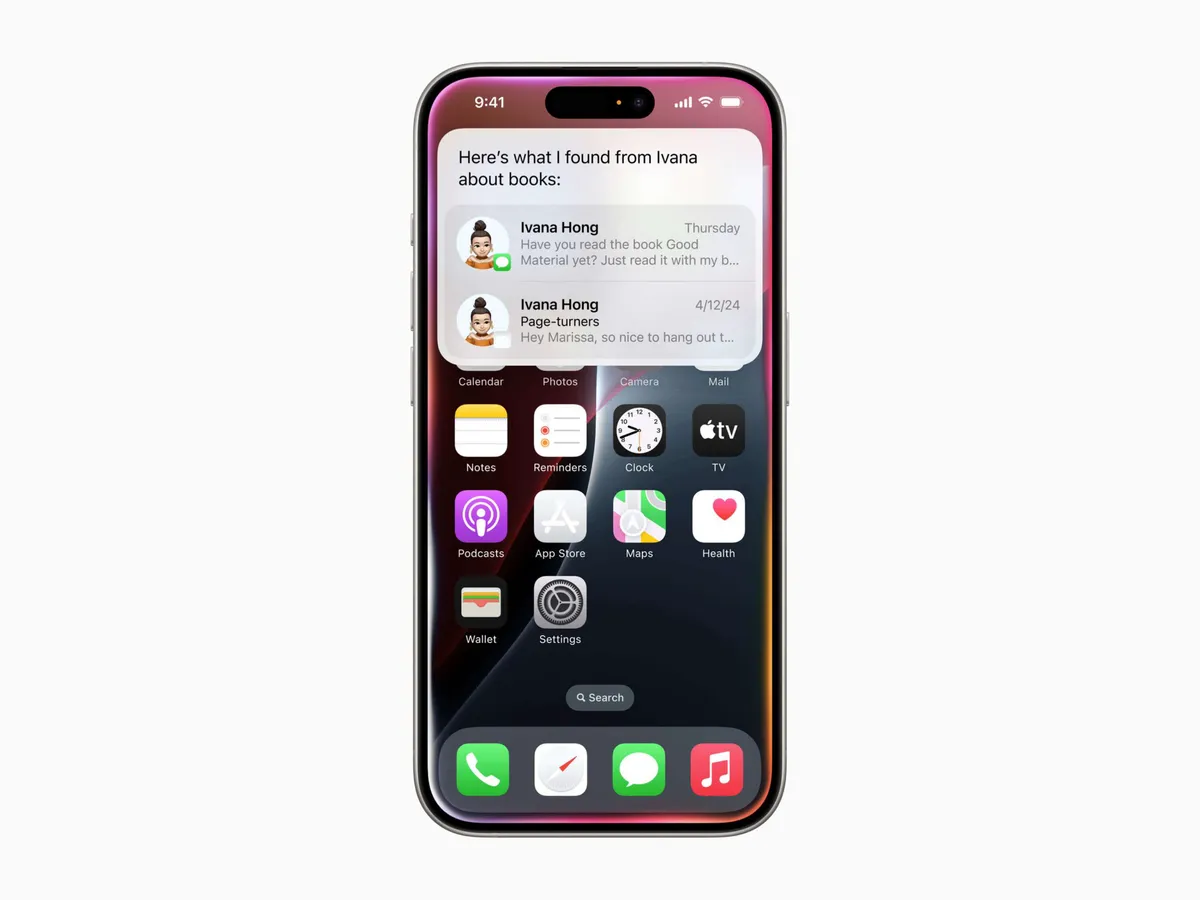
The new architecture marks a departure from the basic command-and-response functionality that has defined Siri since its 2011 debut. Mike Rockwell, VP of Siri engineering, confirmed the assistant now features a redesigned interface, emerging from the iPhone’s Dynamic Island to provide contextual responses that include reminders, maps, and web search results. By integrating personal data from emails and local files, the system aims to provide more relevant, proactive assistance, such as drafting messages or offering advice based on a user’s specific history.
Privacy serves as the cornerstone of this rollout, with Apple emphasizing that personal data remains off-server despite the increased processing capabilities. The assistant is set to function across iOS, macOS, iPadOS, watchOS, and visionOS, allowing for seamless task handoffs between devices. On visionOS specifically, the assistant appears as a translucent avatar, responding to direct gaze and voice commands. While Apple partnered with Google to develop the underlying foundation models, the company maintains that the user experience is strictly siloed. Siri AI will launch initially in English, with plans for a rapid expansion into additional languages.



Comments (0)
No comments yet. Be the first!