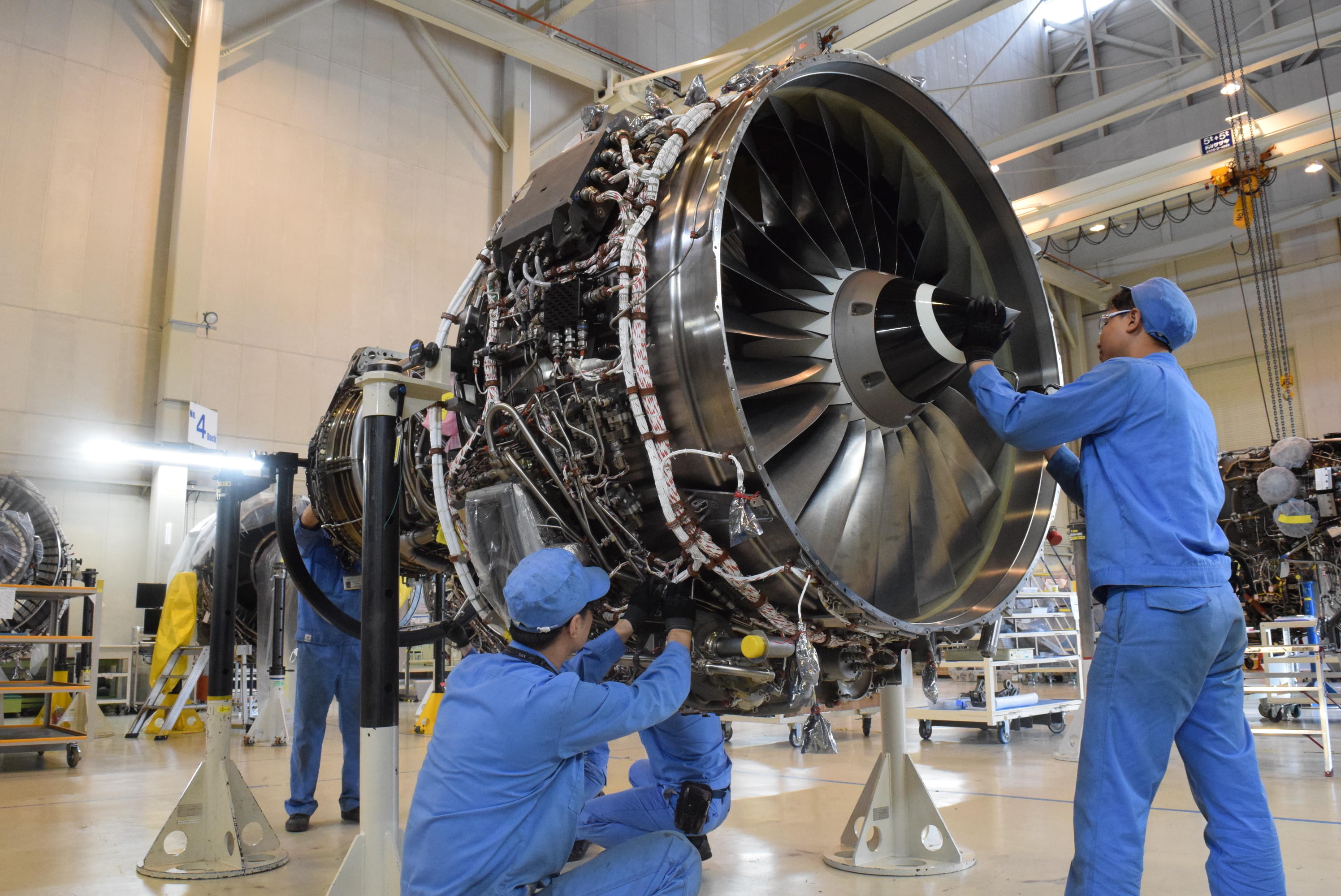
The high-performance engines developed for Boeing and Airbus fleets were marketed as engineering marvels capable of offsetting volatile fuel prices. Instead, they are frequently requiring unscheduled shop visits, a trend that is effectively neutralizing the projected fuel savings. With fuel costs rising by $100 billion this year, the inability to keep planes in the air represents a significant revenue drain for global airlines.
Alexis von Hoensbroech, CEO of WestJet, noted that pushing the physical limits of engine design to burn fuel hotter often compromises long-term durability. While these models are objectively more efficient, the resulting maintenance burden is outpacing the operational benefits. Carriers now find themselves in a difficult position: they must balance the pressure of high travel demand against a fleet that is increasingly sidelined by engine reliability issues. While manufacturers have made incremental improvements, the industry consensus remains that these engines have yet to reach the consistent performance levels essential for modern flight operations.




Comments (0)
No comments yet. Be the first!