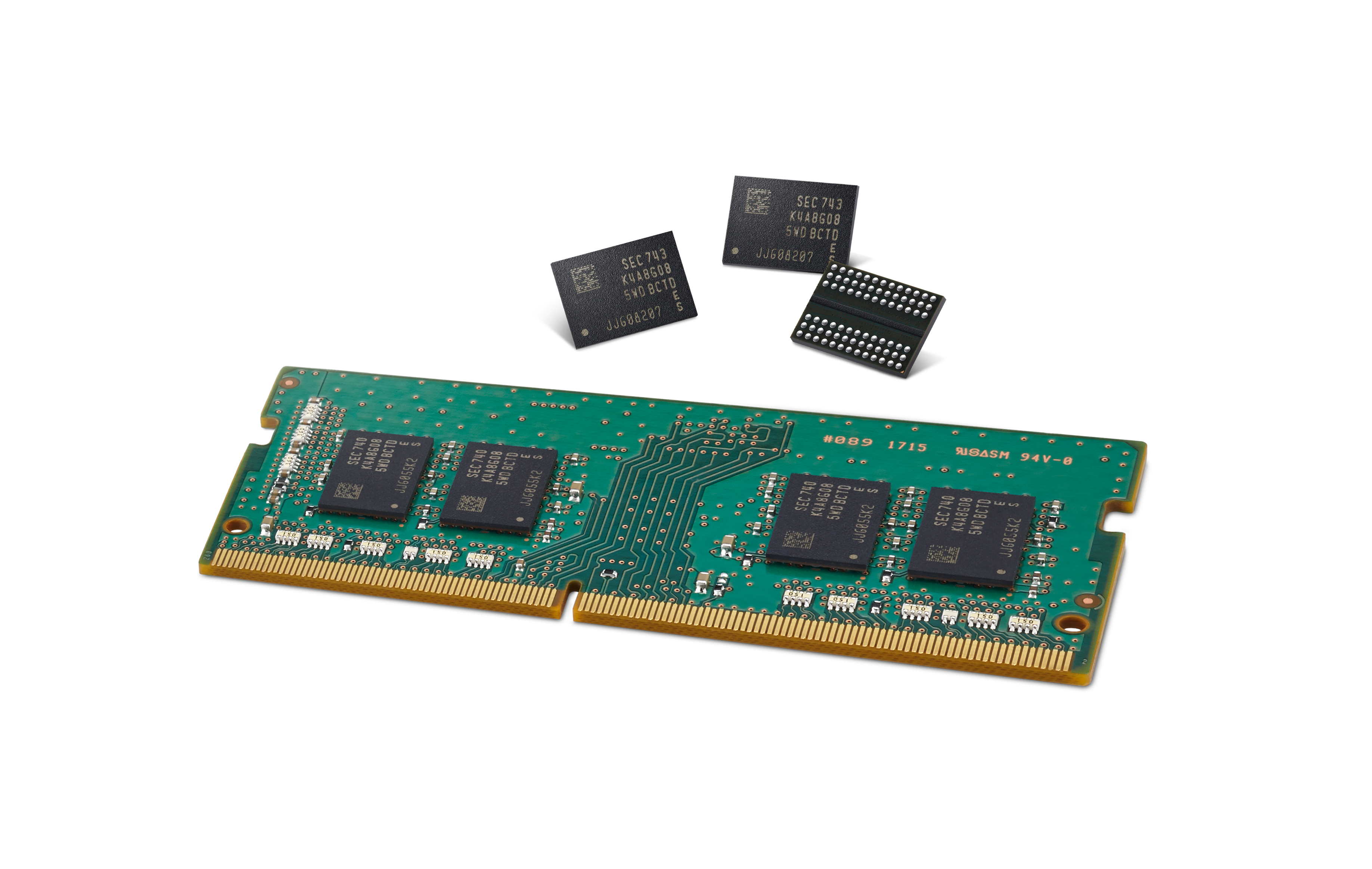
The tech industry is currently grappling with what analysts call 'RAMageddon,' a memory-related supply crisis fueled by the insatiable demand for AI rollouts. Jitesh Ubrani, a research manager at the International Data Corporation, notes that memory supply will remain tight through 2027. While some capacity relief may arrive by 2028, industry observers remain skeptical that retail prices will return to pre-crisis levels.
Beyond the immediate hardware costs, there is a growing concern regarding consumer sentiment. Tinglong Dai, a professor at Johns Hopkins Carey Business School, suggests that persistent price frustration could trigger a shift in public perception, potentially inviting aggressive regulatory scrutiny from policymakers in Brussels, Seoul, and Washington. While hardware giants largely avoid direct consumer backlash, the narrative surrounding data centers and AI resource consumption is becoming increasingly contentious.
Manufacturers have already begun adjusting their price tags to compensate for rising costs. As of May 2026, Dell has increased some commercial laptop prices by up to 30 percent, while the Lenovo Legion Go 2 has seen price jumps ranging from $300 to $650. Gaming consoles have been hit particularly hard, with average price increases reaching 32.77 percent. Streaming services have followed a similar trajectory, with platforms like Netflix and YouTube Premium implementing tiered price hikes. Supply chain experts argue that while component shortages are temporary, the structural shift in consumer electronics pricing is likely permanent.



Comments (0)
No comments yet. Be the first!