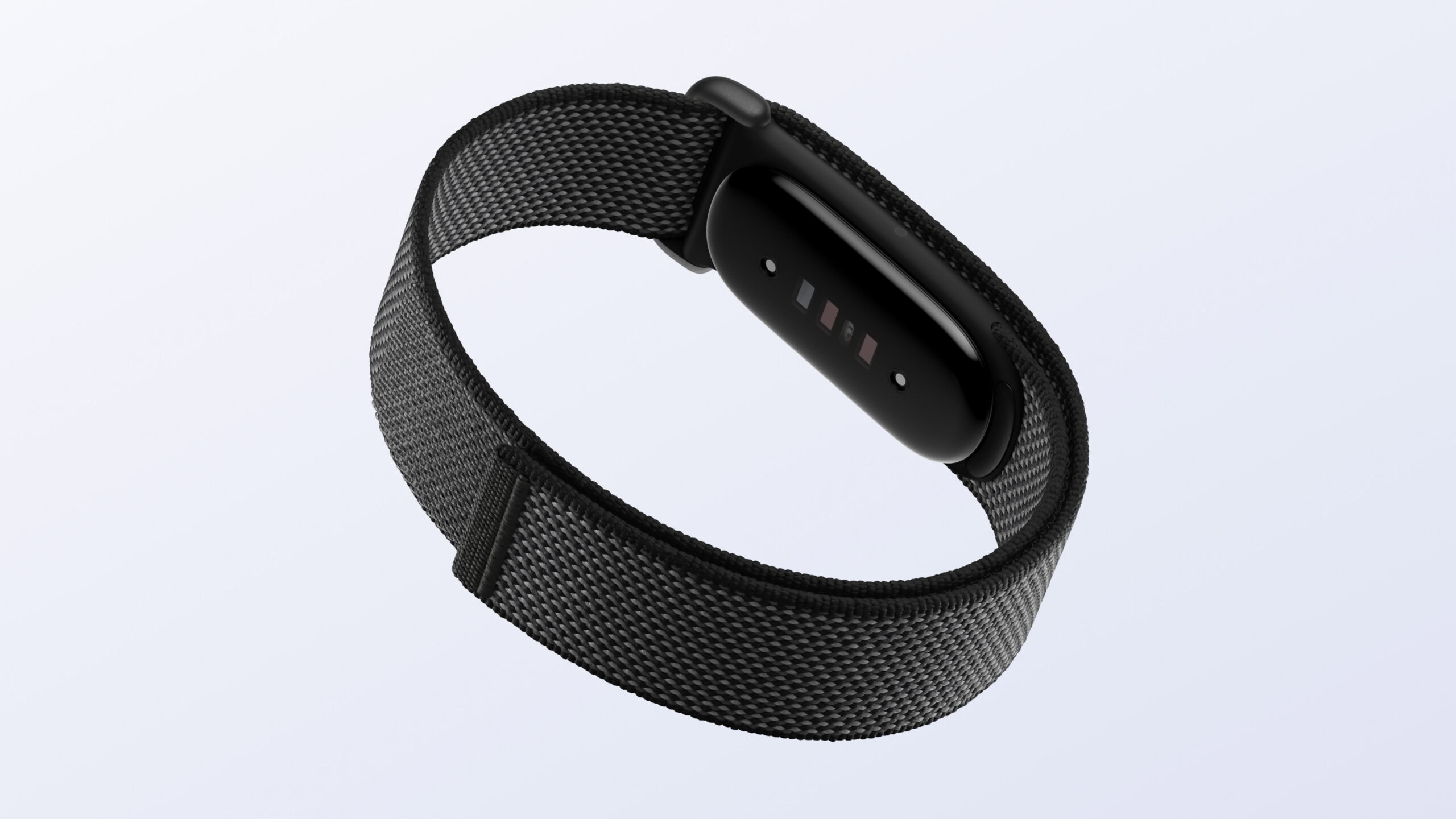
Critics have largely welcomed the Fitbit Air, highlighting its comfort and competitive pricing compared to the Whoop tracker. The device leans heavily on the Google Health app, which serves as the central hub for all data visualization and settings. For those already subscribed to Google AI Pro or Ultra, the experience includes integrated AI health guidance, allowing users to log nutrition and activity through natural language prompts.
Despite the positive reception regarding comfort, the transition to a screenless wearable presents practical trade-offs. Reviewers noted that the Fitbit Air struggles to replace a traditional watch, leading to habitual glances at a blank band. Battery performance also trails behind competitors, averaging roughly eight days per charge. Furthermore, while the AI coach demonstrates impressive utility in parsing complex dietary requests, some users have reported occasional inaccuracies in its responses. Ultimately, the device succeeds as a minimalist health monitor, but those requiring on-wrist notifications or time-telling capabilities may find its lack of a display a significant limitation.


Comments (0)
No comments yet. Be the first!