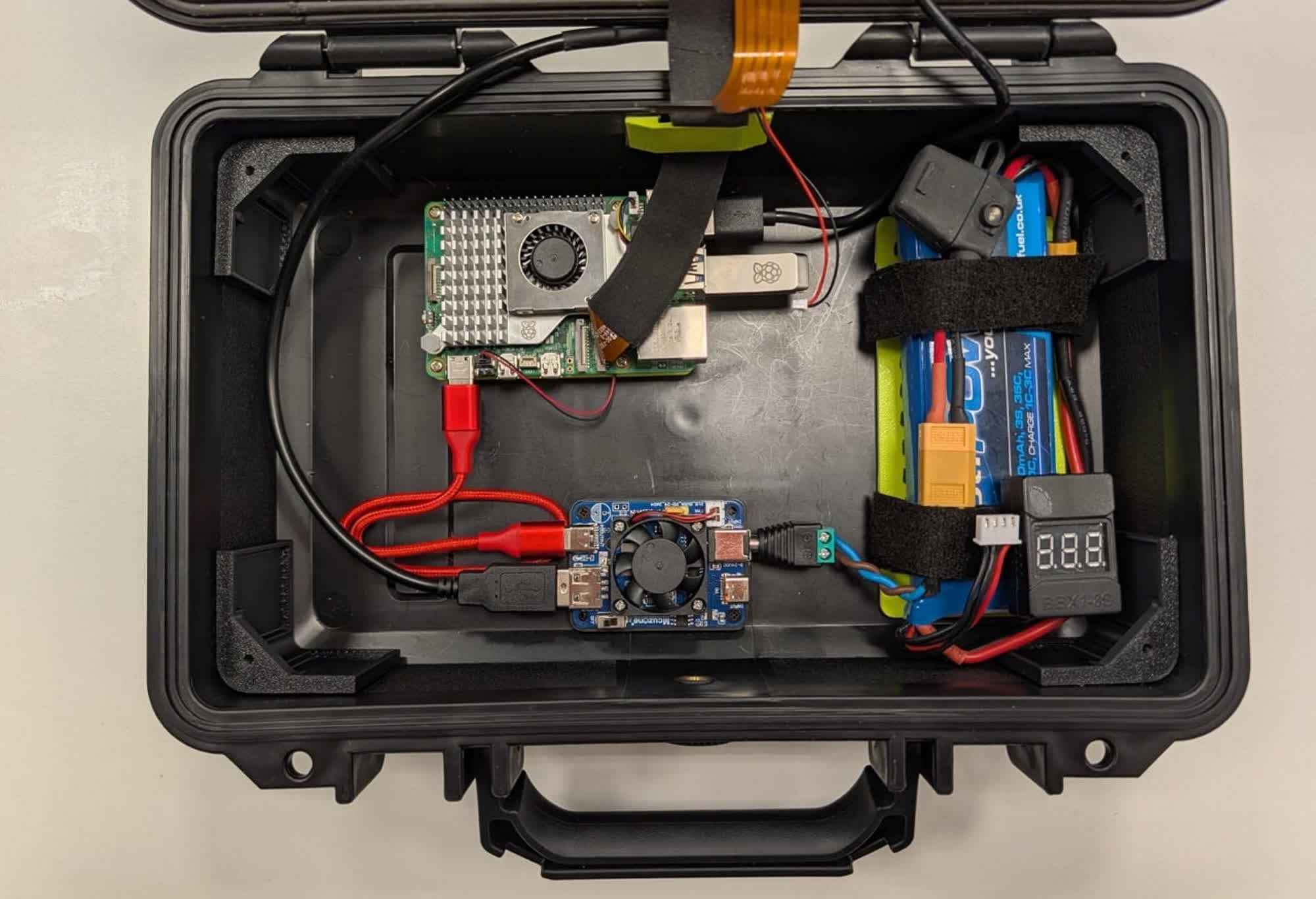
The transformation begins with the physical housing. Finding or crafting a custom enclosure is the most significant step in capturing the aesthetic. Many enthusiasts modify small tackle boxes to accommodate their phone alongside a compact peripheral like the K808 Mini Bluetooth Keyboard. If you lack the tools for manual fabrication, 3D printing services offer a path to bespoke shells tailored to your specific device dimensions.
Software configuration is equally vital for the experience. The Rotation Lock app ensures your interface remains fixed in a landscape orientation, essential for a deck-like display. To gain genuine utility, install Termux, an Android terminal emulator that provides a Linux environment directly on your device. This opens the door to command-line operations and specialized packages that move your smartphone beyond its standard consumer interface.
Finally, leverage native desktop environments to streamline your workflow. Samsung DeX provides a robust desktop experience, while newer versions of Android include built-in desktop modes compatible with Pixel devices. For those seeking complete immersion, custom launchers and automation tools like Tasker can turn your phone into a dedicated emulation rig, remote desktop terminal, or security analysis tool, effectively turning a common handset into a specialized piece of hardware.



Comments (0)
No comments yet. Be the first!