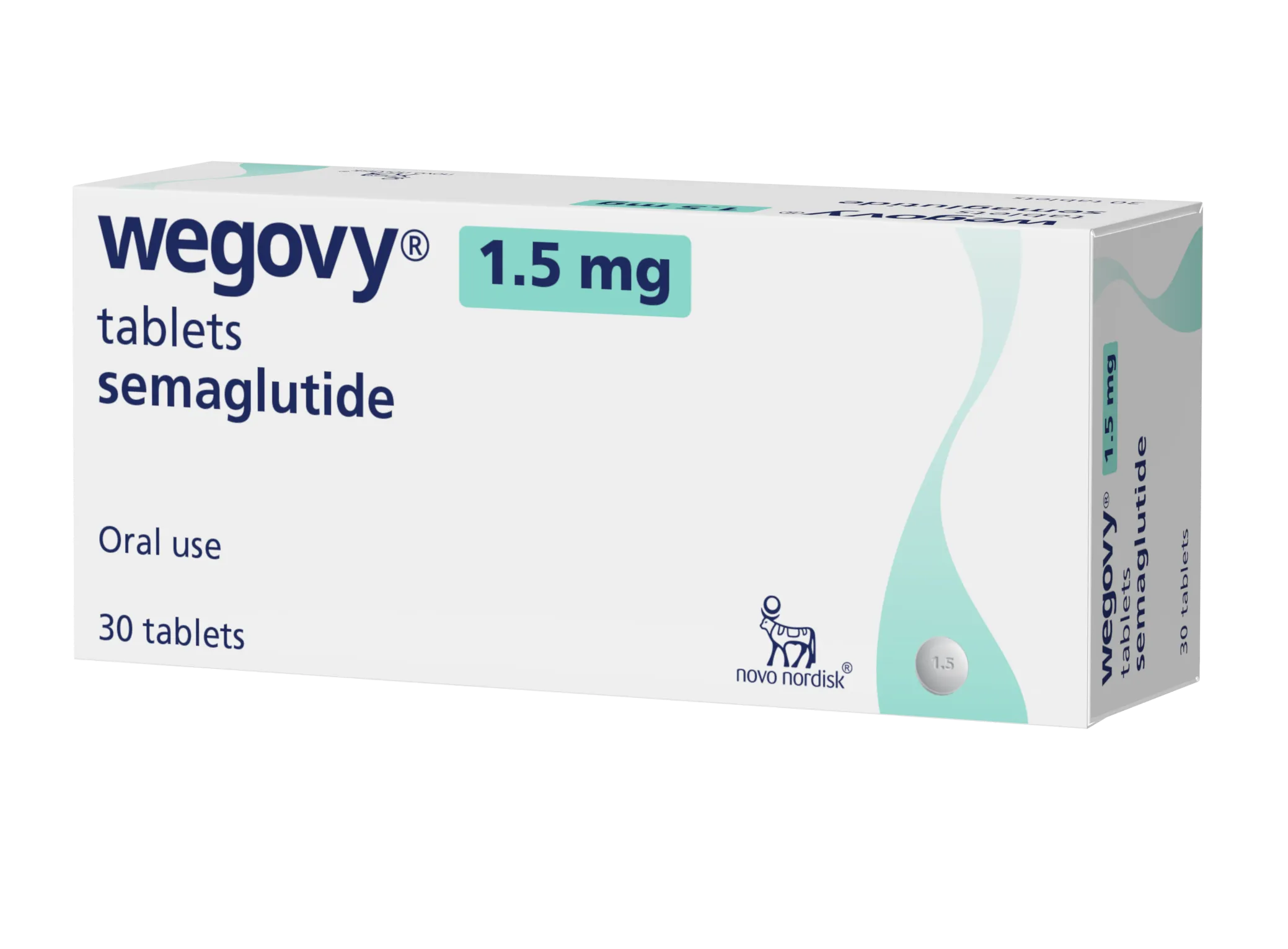
The analysis tracked 194 patients who migrated from Novo’s Wegovy or Eli Lilly’s Zepbound injections to the pill. After three months of treatment, participants lost an average of 4%, or approximately 8.8 pounds, from an initial weight of 221 pounds. Roughly 40% of the cohort achieved at least 5% weight reduction, and the prevalence of obesity within the group—defined by a BMI of 30 or higher—dropped by more than 21%.
Martin Holst Lange, Novo’s chief scientific officer, emphasized that the oral version offers a consistent safety and tolerability profile compared to injectables, while potentially enhancing weight-loss outcomes. Beyond the scale, 82% of patients reported qualitative improvements, such as better-fitting clothing and healthier eating habits. About 75% expressed satisfaction with the switch, a trend Lange attributes to the logistical ease of avoiding refrigerated injections, particularly for frequent travelers.
While the data provides a glimpse into clinical outcomes outside of controlled trials, Novo acknowledged significant limitations, including reliance on self-reported metrics and variable data collection inherent to telehealth platforms. These results cannot be generalized to the broader population, yet they signal a growing patient preference for oral medications. Alongside this study, the company unveiled research on its upcoming drug CagriSema, which demonstrated potential in reducing "food noise" and improving organ health by targeting brain regions associated with cravings and self-control.




Comments (0)
No comments yet. Be the first!