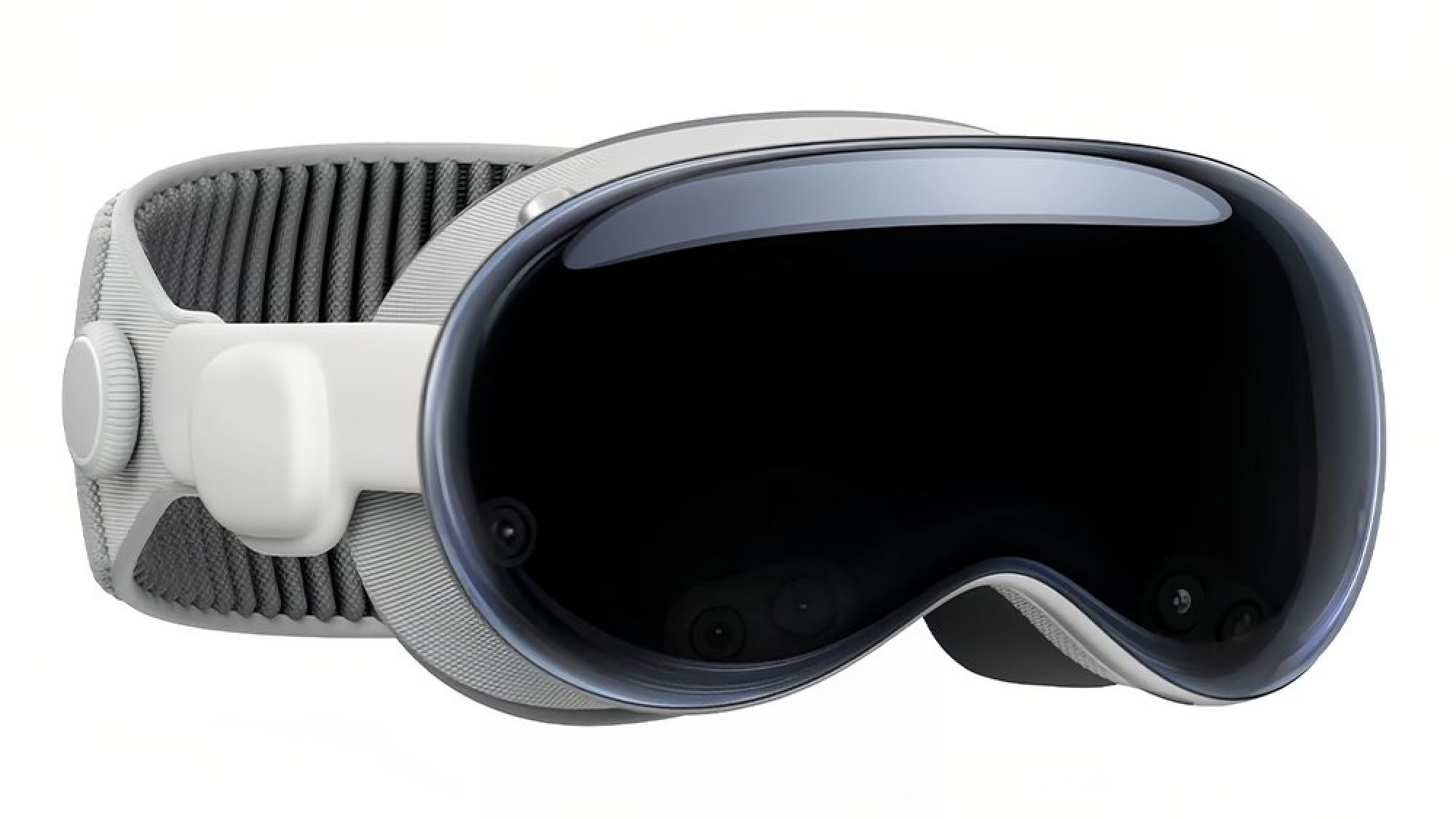
The company has yet to release official sales figures, but the move reflects broader difficulties in establishing the headset as a mainstream product. While the initial launch price was set at $3,500, recent supply chain pressures have pushed that cost higher. The timing of these cuts remains notable, occurring just as leadership transitions loom, though the specific architect of the decision is not yet public.
Despite the downsizing, the investment in spatial computing continues in other forms. Engineers are now pivoting toward a planned 2027 launch for smart glasses, utilizing the visual intelligence technology refined during the Vision Pro project. Software features like spatial reframing, which recently surfaced in iOS updates, prove that the underlying development work persists even as the hardware team shrinks.

Comments (0)
No comments yet. Be the first!