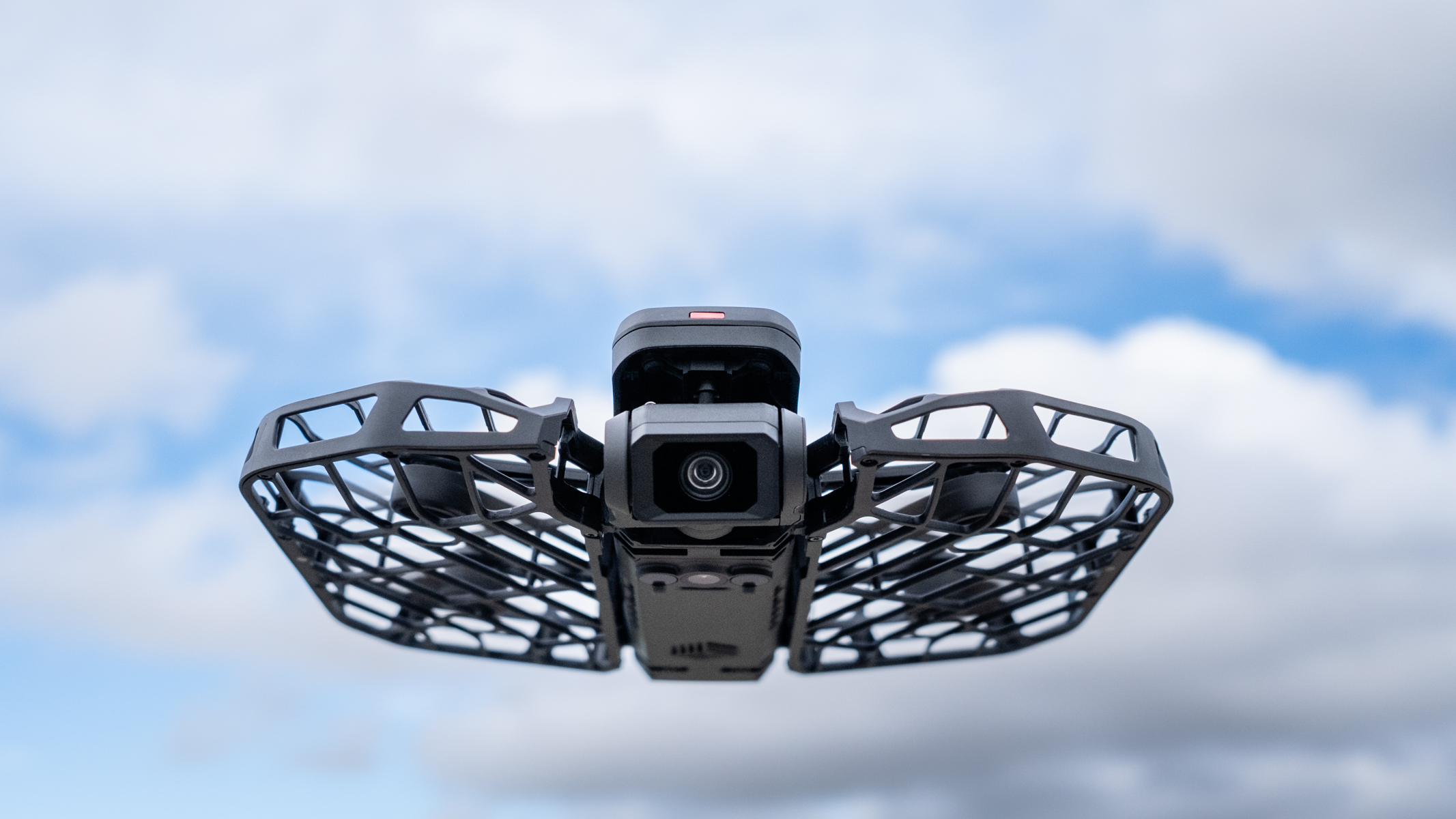
The Versa functions primarily as a compact, gimbal-stabilized vlogging camera capable of recording 4K video at 60fps. Its technical specifications include a Type 1/1.3 image sensor and a claimed 17.5 stops of dynamic range, positioning it as a direct competitor to the DJI Osmo Pocket series. The device’s path to the U.S. market relies on a clever mechanical workaround: the 'Flight Kit'—a set of magnetically attached propellers—contains no radio frequency transmitters. Because the flight mechanism itself lacks an RF component, HoverAir contends it avoids the specific FCC equipment authorizations that previously blocked their Aqua drone model.
At a total weight of 230 grams, the Versa remains under the FAA’s 250-gram registration threshold, exempting recreational pilots from mandatory registration or Remote ID requirements. Commercial operators, however, must utilize a separate, external Remote ID transmitter. Despite this clearance, the regulatory landscape remains volatile; the FCC has recently rescinded approvals for other devices shortly after issuance. Backers on Indiegogo can currently purchase the camera for $449, though they assume the risks associated with crowdfunding a product that faces ongoing scrutiny from federal regulators.



Comments (0)
No comments yet. Be the first!