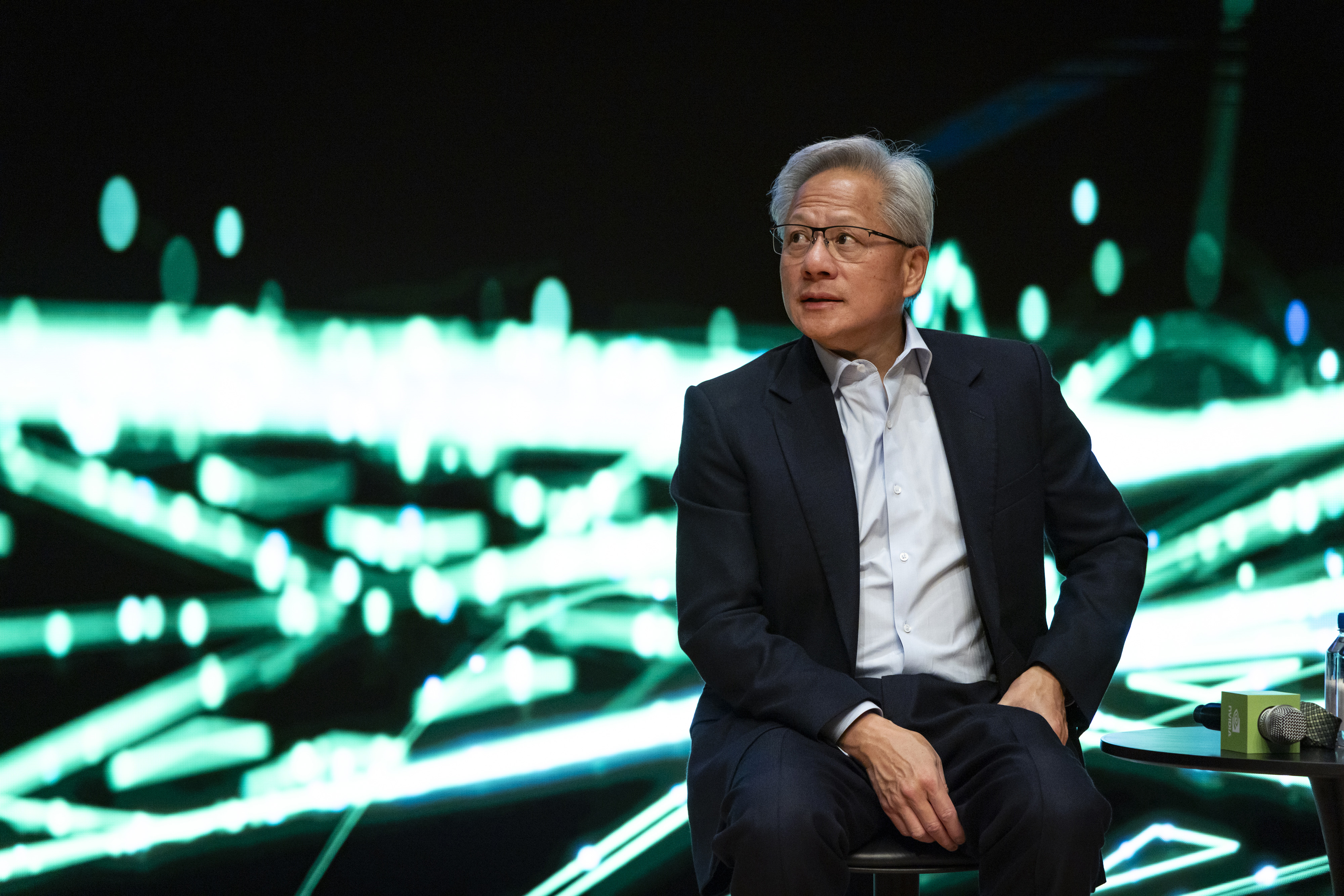
The core of Huang's strategy relies on convincing Wall Street that Nvidia’s hardware functions as a durable, revenue-generating asset rather than fast-depreciating consumer electronics. By partnering with heavyweights like Apollo, KKR, Brookfield, and Goldman Sachs, the company hopes to build a massive financing engine for GPU clusters. These clusters would serve firms unable to afford the massive upfront costs of modern silicon, effectively turning Nvidia’s technology into a service-based commodity.
However, market analysts remain skeptical about the underlying math. Traditional asset-backed finance depends on a secondary market where collateral—such as a cargo ship or warehouse—can be easily repossessed and resold. Cutting-edge chips face a different reality: their productive lifespan is inherently volatile. As newer, more efficient hardware hits the market, older chips are quickly relegated to lower-margin inference tasks. Ben Emons, founder of FedWatch Advisors, warns that this rapid depreciation represents a critical vulnerability. If these assets lose value faster than the repayment schedule accounts for, the entire financial architecture supporting these data centers could face significant instability.


Comments (0)
No comments yet. Be the first!