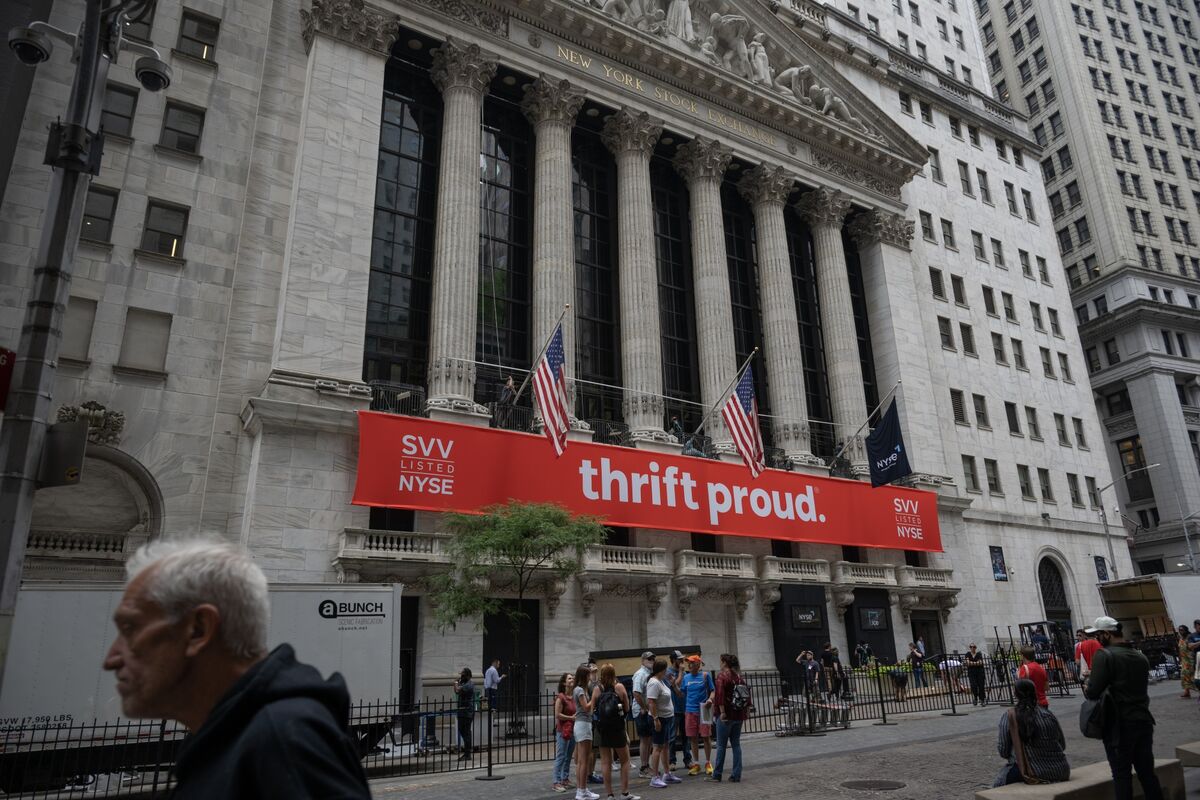
Developed alongside Kaizen Analytix, the system draws on two years of proprietary data to bring consistency to a notoriously difficult inventory segment. CEO Mark Walsh emphasized that the technology is not a dynamic pricing engine; once a garment is tagged, the price remains fixed. The goal is to maintain prices between 40% and 70% below traditional retail while streamlining the workflow for store employees.
The rollout comes as the secondhand market experiences a surge fueled by inflation and shifting consumer habits. Savers, which operates 375 stores, reported a 7.4% increase in net sales to $448.2 million for the second quarter. With plans to expand ThriftIQ across its U.S. and Canadian footprint through 2028, the company expects to reach a high-teens adjusted EBITDA margin within three years. CFO Michael Maher noted that the technology serves as a cornerstone of the firm’s long-term strategy to modernize operations and capture a broader demographic of price-conscious shoppers.
:quality(100)/photo/2018/09/20/725858634.png)


Comments (0)
No comments yet. Be the first!