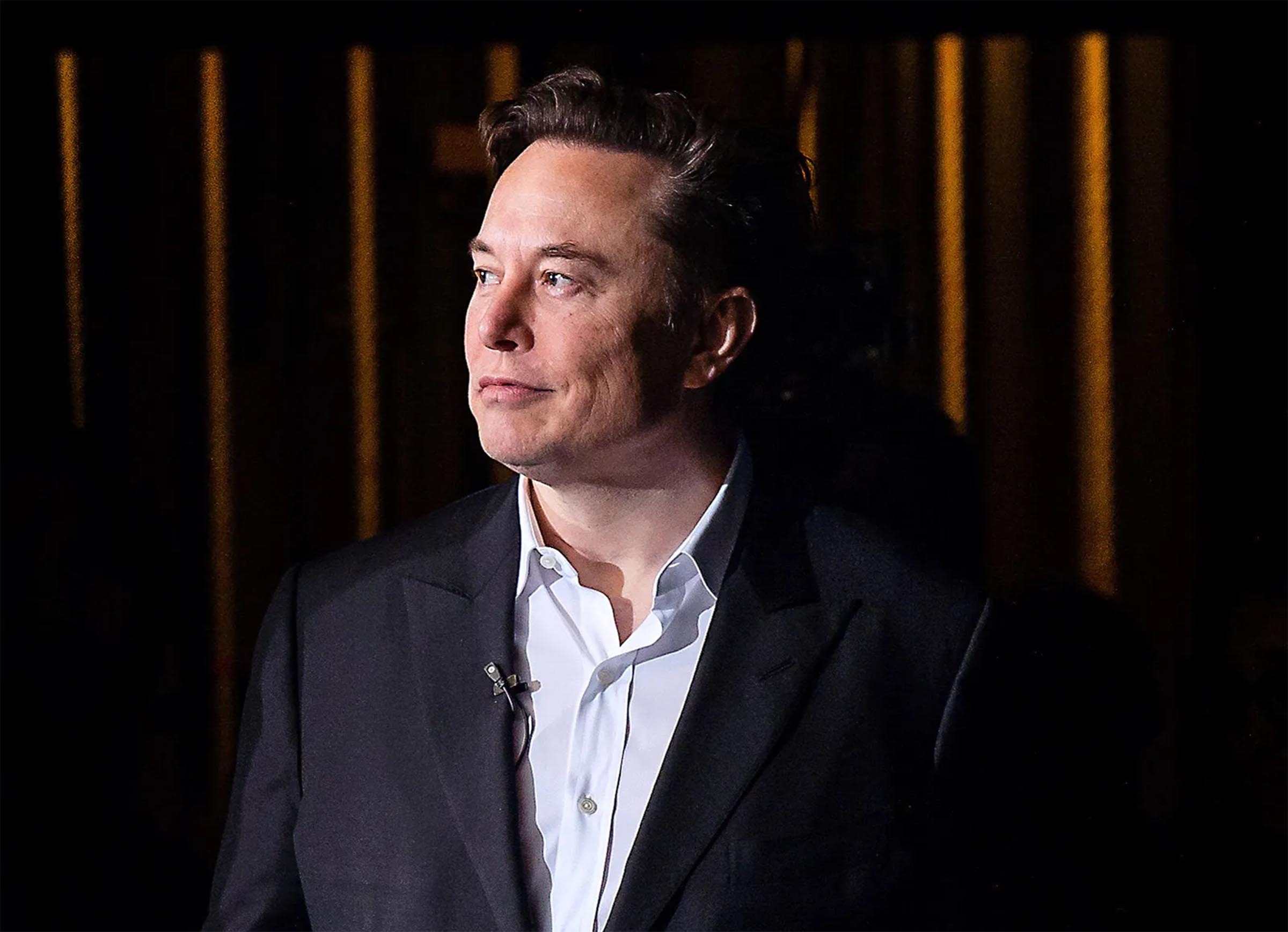
The exchange began after Musk predicted that rapid advancements in artificial intelligence and robotics would soon render money irrelevant by creating unprecedented abundance. Acemoglu, a Nobel-winning economist, countered that if Musk truly believes wealth will lose its meaning by 2036, he should pledge his current assets to charity now to establish credibility and mitigate concerns regarding the immense power held by modern trillionaires.
Musk, whose net worth reached $709 billion as of Monday, has not provided specific details on how he might structure such a donation. However, the move draws direct comparisons to Warren Buffett, who co-founded the Giving Pledge in 2010. Buffett has already committed the vast majority of his Berkshire Hathaway holdings to family foundations, with a plan to distribute his remaining $140 billion fortune by 2034. Should Musk follow through with a significant pledge, it would mark a departure from his usual focus on aggressive capital reinvestment into companies like SpaceX and Tesla.
His vision remains deeply controversial. While Musk argues that technological progress will eventually make universal high income and government subsidies feasible, public reaction has been largely skeptical. Many observers question the viability of a world where traditional savings and retirement strategies become obsolete. By committing to a large-scale donation, Musk may be attempting to force the public to take his economic theories seriously, moving the conversation from abstract speculation to tangible financial action.




Comments (0)
No comments yet. Be the first!